This website uses cookies to enhance your browsing experience and ensure the functionality of our site. For more detailed information about the types of cookies we use and how we protect your privacy, please visit our Privacy Information page.
×
Cookie Settings
This website uses different types of cookies to enhance your experience. Please select your preferences below:
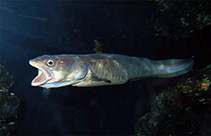
Dorsalsoft rays (total): 150; Analsoft rays: 110. Head and body usually pinkish to orangish with dark spots and blotches especially dorsally (Ref. 34024). Body shape (shape guide): elongated.
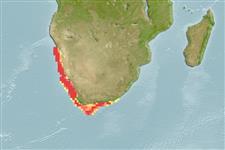
Occur in rocky areas of the shelf and upper continental slope. Juveniles found in shallow waters than adults (Ref. 36731). Benthic and common species (Ref. 34024). Feed on dragonets, mantis shrimps, hake, squid, and various fishes (Ref. 27121). Spawning occurs from August to October. Oviparous, with oval pelagic eggs floating in a gelatinous mass (Ref. 205). Utilized fresh and frozen; can be fried and baked (Ref. 9988).
Nielsen, J.G., D.M. Cohen, D.F. Markle and C.R. Robins, 1999. Ophidiiform fishes of the world (Order Ophidiiformes). An annotated and illustrated catalogue of pearlfishes, cusk-eels, brotulas and other ophidiiform fishes known to date. FAO Fish. Synop. 125(18):178p. Rome: FAO. (Ref. 34024)
IUCN Red List Status (Ref. 130435: Version 2025-2)