Sardinella aurita, Round sardinella : fisheries, bait
This page is sponsored by
Mundus Maris

Sardinella aurita Valenciennes, 1847

Round sardinella
ເພີ່ມ​ການ​ສັງ​ເກດ​ຂອງ​ທ່ານ​ໃນ​ Fish Watcher
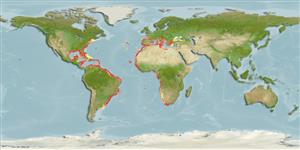
Native range | All suitable habitat | Point map | Year 2050
This map was computer-generated and has not yet been reviewed.
Sardinella aurita   AquaMaps   Data sources: GBIF OBIS
ອັບໂຫລດຂອງທ່ານ ຮູບພາບ ແລະ ວິດີໂອ
ຮູບ | ສະແຕມ, ຫຼຽນ, ອື່ນໆ. | Google image
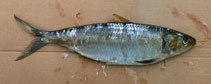
Image of Sardinella aurita (Round sardinella)
Sardinella aurita
ຮູບພາບໂດຍ Luyben, J.


Côte d'Ivoire / Ivory coast territory information

Common names: Kankanman
Occurrence: native
Salinity: brackish
Abundance: | Ref:
Importance: commercial | Ref: FAO, 1994
Aquaculture: | Ref:
Regulations: | Ref:
Uses: live export: yes;
Comments: Known from Ebrié Lagoon (Ref. 101082). Also Ref. 188, 2945.
National Checklist:
Territory Information: https://www.cia.gov/library/publications/resources/the-world-factbook/geos/iv.html
National Fisheries Authority:
Occurrences: Occurrences Point map
Main Ref: Albaret, J.-J., 1994
National Database:

Common names from other countries

ການຈັດປະເພດ / ຊື່ ຊື່ສາມັນ | ຄຳສັບຄ້າຍຄືກັນ | Catalog of Fishes(ຕະກຸນ, ຊະນິດ) | ITIS | CoL | WoRMS | Cloffa

> Clupeiformes (Herrings) > Dorosomatidae (Gizzard shads and sardinellas)
Etymology: Sardinella: Latin and Greek, sarda = sardine; name related to the island of Sardinia; diminutive (Ref. 45335).
More on author: Valenciennes.

ສະພາບແວດລ້ອມ: ສະພາບແວດລ້ອມ / ເຂດ​ດິນ​ຟ້າ​ອາ​ກາດ​ / ລະດັບຄວາມເລິກ / ຂອບເຂດການແຈກຢາຍ ນິເວດວິທະຍາ

ສັດທະເລ; ນ້ຳກ່ອຍ pelagic-neritic; ປາທີ່ມີການເຄື່ອນຍ້າຍໃນສະເພາະມາະຫາສະມຸດ (Ref. 51243); ລະດັບຄວາມເລິກ 0 - 350 m (Ref. 188). Subtropical; 18°C - 25°C (Ref. 2945); 47°N - 40°S, 98°W - 43°E (Ref. 54867)

ການແຜ່ກະຈາຍ ອານາເຂດ | ເຂດ FAO | ລະບົບນິເວດ | ການປະກົດຕົວ | ຈຸດໃດໜຶ່ງທີ່ສະແດງອອກໃນແຜນທີ່ (ພ້ອມທັງສະແດງຂໍ້ມູນເພີ້ນເຕີມ) | ການແນະນຳ | Faunafri

Atlantic Ocean: West African coast (Ref. 2849, 3509, 5286, 121197) from Gibraltar southward to Saldanha Bay in South Africa (Ref. 188, 81269, 81631), especially in the three West African upwelling areas, from Mauritania to Guinea, from Côte d'Ivoire to Ghana and from Gabon to Angola (Ref. 121197); also in Mediterranean Sea (Ref. 188, 6683, 81631) and Black Sea (Ref. 188, 6683). In western Atlantic Ocean from Cape Cod in USA to Argentina (Ref. 188, 5286), including Bahamas, Antilles, Gulf of Mexico and the Caribbean coast (Ref. 26938).

ຄວາມ​ຍາວ​ໃນ​ການ​ເຕີບ​ໂຕ​ເຕັມ​ຄັ້ງ​ທໍາ​ອິດ​ / ຂະໜາດ / ນ້ຳໜັກ / ອາຍຸ

ການຈະເລີນເຕັມໄວ: Lm 18.8, range 13 - 25 cm
Max length : 41.0 cm TL ຕົວຜູ້/ບໍ່ມີເພດ; (Ref. 825); common length : 25.0 cm SL ຕົວຜູ້/ບໍ່ມີເພດ; (Ref. 188); ນ້ຳໜັກສູງສຸດທີ່ເຄຍຈັດພີມມາ: 420.00 g (Ref. 86940); ອາຍຸສູງສຸດທີ່ເຄຍລາຍງານມາ: 7 ປີ (Ref. 839)

ຄຳອະທິບາຍສັ້ນໆ ຕົວທີ່ໃຊ້ໃນການຈຳແນກຊະນິດ | ສະລີລະວິທະຍາ | ການວັດແທກຮູບຮ່າງລັກສະນະພາຍນອກຂອງດິນ,ສັດ,ປາ…

ຄີ (ໜາມ)ແຂງຢູ່ຫຼັງປາ (ທັງໝົດ) : 0; ຄີຫຼັງຂອງປາ (ຄີອ່ອນ) (ທັງໝົດ) : 17 - 20; ຄີ(ໜາມ) ແຂງຢູ່ຄີກົ້ນປາ ກຸ່ມປາກະດູກແຂງ ຄວາມຖີ່ຂອງກຸ່ມຖ່າຍທອດພັນ ປາທີ່ມີການເຄື່ອນຍ້າຍຈາກທະເລໄປຫານ້ຳຈືດ ແລະນ້ຳຈືດຫາທະເລ ປາທີ່ມີການເຄື່ອນຍ້າຍຈາກທະເລແລະໄປໄຂ່ຢູ່ນ້ຳຈືດ ຄີກົ້ນຂອງປາ ສັດທີ່ມີກະດູກສັນຫັຼງ ການຖ່າຍທອດທາງກຳມະພັນຈາກພໍ່ແມ່ຫາລູກ: 0; ຄີກົ້ນຂອງປາ: 16 - 18; ສັດທີ່ມີກະດູກສັນຫຼັງ: 47 - 49. Diagnosis: Body elongate, usually subcylindrical, but sometimes a little compressed; belly rather rounded, but with a distinct keel of scutes; lower gillrakers fine and numerous, more than 80; anterior gillrakers on lower limbs of second and third gill arches lying more or less flat (Ref. 188, 2945, 81269, 81631). Flanks silvery, with a faint golden midlateral line, preceded by a faint golden spot behind gill opening; a distinct black spot at hind border of gill cover (Ref. 188). The pelvic finray count of 1 unbranched and 8 branched rays distinguishes Sardinella aurita from all other species of Sardinella, also Harengula, Opisthonema, Herklotsichthys and Amblygaster, that occur with it (Ref. 188). It resembles Clupea, but has two fleshy outgrowths along outer margin of gill opening and numerous fine fronto-parietal striae on top of head (Ref. 188).
Body shape (shape guide): elongated; Cross section: compressed.

ຊີວະສາດ     ຄຳແປສັບ (ຕ.ຢ. epibenthic)

A coastal, pelagic, species preferring clear saline waters, usually with maximum temperatures below 24°C (Ref. 27121). Found inshore and near surface to edge of shelf and down to 350m, or perhaps even deeper; schooling and strongly migratory, often rising to surface at night and dispersing (Ref. 188, 6683). It is a cold water species, temperatures between 18-25°C, approaching the coast and shoaling near the surface in the period of upwelling, but retreating below the thermocline in the hot season, down to depths of 200 to 300m (Ref. 2945, 3259). It feeds mainly on zooplankton, especially copepods and larvae of mysids, but also some phytoplankton, especially by juveniles (Ref. 188, 27121, 86940). It breeds perhaps at all times of the year, but with distinct peaks; the breeding pattern is extremely complex, with two principal spawning periods in some areas (Ref. 188). There is no spawning in Black Sea (Ref. 6683). The juveniles tend to stay in nursery areas, but on maturity rejoin adult stocks in the colder offshore waters (Ref. 188). Trematode found in intestinal tract (Ref. 37032).

ວົງຈອນຊີວິດ ແລະພຶດຕິກໍາການຫາຄູ່ ການຈະເລີນເຕັມໄວ | ການສືບພັນ | ການວາງໄຂ່ | ໄຂ່ | ຄວາມດົກຂອງໄຂ່ປາ | ຕົວອ່ອນ

The breeding pattern is extremely complex, with two principal spawning periods in some areas (linked with upwelling regimes off west Africa).

ເອກະສານອ້າງອີງຫຼັກ ອັບໂຫລດເອກະສານອ້າງອີງຂອງທ່ານ | ເອກະສານອ້າງອີງ | ຜູ້ປະສານງານ | ຜູ້ຮ່ວມມື

Whitehead, P.J.P., 1985. FAO Species Catalogue. Vol. 7. Clupeoid fishes of the world (suborder Clupeoidei). An annotated and illustrated catalogue of the herrings, sardines, pilchards, sprats, shads, anchovies and wolf-herrings. FAO Fish. Synop. 125(7/1):1-303. Rome: FAO. (Ref. 188)

ສະຖານະພາບບັນຊີແດງຂອງ IUCN (Ref. 130435: Version 2025-2 (Global))

  Least Concern (LC) ; Date assessed: 23 August 2012

CITES

Not Evaluated

CMS (Ref. 116361)

Not Evaluated

ໄພຂົ່ມຂູ່ຕໍ່ມະນຸດ

  Harmless


ການນໍາໃຊ້ຂອງມະນຸດ

ການປະມົງ: ທີ່ມີການຄ້າສູງ; ເຍື່ອ: usually

ຂໍ້ມູນຕື່ມອີກ

ວົງຈອນຊີວິດ
ການສືບພັນ
ການຈະເລີນເຕັມໄວ
ການເຕີບໃຫຍ່ / Gills rel.
ຄວາມດົກຂອງໄຂ່ປາ
ການວາງໄຂ່
ການລວບລວມການວາງໄຂ່
ໄຂ່
ການພັດທະນາໄຂ່
ຕົວອ່ອນ
ການປ່ຽນແປງຂອງຕົວອ່ອນ
ການແຜ່ກະຈາຍ
ອານາເຂດ
ເຂດ FAO
ລະບົບນິເວດ
ການປະກົດຕົວ
ການແນະນຳ
BRUVS - ວິດີໂອ
ຮ່າງກາຍ
ເນື້ອທີ່ເຫືອກ
ສະໝອງ
ໂອໂຕລິດ
ຟີຊິກສາດ
ອົງປະກອບຂອງຮ່າງກາຍ
ທາດອາຫານ
ການບໍລິໂພກອົກຊີເຈນ
ປະເພດລອຍ
ຄວາມໄວໃນການລອຍ
ເມັດສີທີ່ເບິ່ງເຫັນ
ສຽງປາ
ພະຍາດ & ກາຝາກ
ຄວາມເປັນພິດ (LC50s)
ກຳມະພັນ
ພັນທຸ ກຳ
ກຳມະພັນ
Heterozygosity
ການຖ່າຍທອດທາງກຳມະພັນຈາກພໍ່ແມ່ຫາລູກ
ມະນຸດທີ່ກ່ຽວຂ້ອງ
ລະບົບການລ້ຽງປາ
ຂໍ້ມູນການລ້ຽງສັດນ້ຳ
ສາຍພັນ
ກໍລະນີ Ciguatera
ສະແຕມ, ຫຼຽນ, ອື່ນໆ.
ເຜີຍແຜ່
ຜູ້ຮ່ວມມື
ເອກະສານອ້າງອີງ
ເອກະສານອ້າງອີງ

ເຄື່ອງມື

ບົດລາຍງານພິເສດ

ດາວໂຫລດ XML

ແຫຼ່ງອີນເຕີເນັດ

ການຄາດຄະເນໂດຍອີງໃສ່ແບບຈໍາລອງ

ອຸນຫະພູມທີ່ຕ້ອງການ (ເອກະສານອ້າງອີງ 123201): 13.3 - 26.3, mean 18.8 °C (based on 552 cells).
ດັດຊະນີຄວາມຫຼາກຫຼາຍທາງຊີວະພາບ (ເອກະສານອ້າງອີງ 82804):  PD50 = 0.5000   [Uniqueness, from 0.5 = low to 2.0 = high].
Bayesian length-weight: a=0.00692 (0.00606 - 0.00789), b=3.04 (3.01 - 3.07), in cm total length, based on LWR estimates for this species (Ref. 93245).
ຊັ້ນເຂດຮ້ອນ (ເອກະສານອ້າງອີງ 69278):  3.4   ±0.5 se; based on diet studies.
Generation time: 2.5 (2.1 - 3.1) years. Estimated as median ln(3)/K based on 31 growth studies.
ຄວາມຢືດຢຸ່ນ (ເອກະສານອ້າງອີງ 120179):  ສູງ, ປະຊາກອນຕຳ່ສຸດທີ່ໃຊ້ເວລາສອງໜ້ອຍກວ່າ 15 ເດືອນ (K=0.25-1.2; tm=1; tmax=7).
Prior r = 0.65, 95% CL = 0.43 - 0.98, Based on 1 full stock assessment.
ຄວາມສ່ຽງຕໍ່ການຫາປາ (Ref. 59153):  Low to moderate vulnerability (29 of 100). 🛈
ຄວາມສ່ຽງດ້ານສະພາບອາກາດ (Ref. 125649):  Low vulnerability (7 of 100). 🛈
ປະເພດລາຄາ (Ref. 80766):   Medium.
ທາດອາຫານ (Ref. 124155):  Calcium = 89 [50, 191] mg/100g; Iron = 1.46 [0.87, 2.44] mg/100g; Protein = 21.6 [20.9, 22.4] %; Omega3 = 0.541 [0.271, 1.052] g/100g; Selenium = 63.2 [32.8, 112.9] μg/100g; VitaminA = 13.1 [4.2, 39.8] μg/100g; Zinc = 0.656 [0.490, 0.983] mg/100g (wet weight); based on nutrient studies.