Thunnus albacares, Yellowfin tuna : fisheries, aquaculture, gamefish

You can sponsor this page

Thunnus albacares (Bonnaterre, 1788)

Yellowfin tuna
ເພີ່ມ​ການ​ສັງ​ເກດ​ຂອງ​ທ່ານ​ໃນ​ Fish Watcher
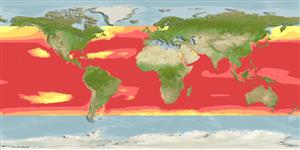
Native range | All suitable habitat | Point map | Year 2050
This map was computer-generated and has not yet been reviewed.
Thunnus albacares   AquaMaps   Data sources: GBIF OBIS
ອັບໂຫລດຂອງທ່ານ ຮູບພາບ ແລະ ວິດີໂອ
ຮູບ | ວິດີໂອ | ສະແຕມ, ຫຼຽນ, ອື່ນໆ. | Google image
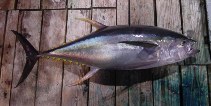
Image of Thunnus albacares (Yellowfin tuna)
Thunnus albacares
ຮູບພາບໂດຍ Archambault, C.


Nicaragua territory information

Common names: Rabil
Occurrence: native
Salinity: marine
Abundance: | Ref:
Importance: | Ref:
Aquaculture: | Ref:
Regulations: | Ref:
Uses: no uses
Comments:
National Checklist:
Territory Information: https://www.cia.gov/library/publications/resources/the-world-factbook/geos/nu.html
National Fisheries Authority:
Occurrences: Occurrences Point map
Main Ref: Collette, B.B. and C.E. Nauen, 1983
National Database:

Common names from other countries

ການຈັດປະເພດ / ຊື່ ຊື່ສາມັນ | ຄຳສັບຄ້າຍຄືກັນ | Catalog of Fishes(ຕະກຸນ, ຊະນິດ) | ITIS | CoL | WoRMS | Cloffa

> Scombriformes (Mackerels) > Scombridae (Mackerels, tunas, bonitos) > Scombrinae
Etymology: Thunnus: Greek, thynnos = tunna (Ref. 45335).
More on author: Bonnaterre.

ສະພາບແວດລ້ອມ: ສະພາບແວດລ້ອມ / ເຂດ​ດິນ​ຟ້າ​ອາ​ກາດ​ / ລະດັບຄວາມເລິກ / ຂອບເຂດການແຈກຢາຍ ນິເວດວິທະຍາ

ສັດທະເລ; ນ້ຳກ່ອຍ pelagic-oceanic; ປາທີ່ມີການເຄື່ອນຍ້າຍໃນສະເພາະມາະຫາສະມຸດ (Ref. 71039); ລະດັບຄວາມເລິກ 1 - 1602 m, usually 1 - 250 m (Ref. 6390). Tropical; 15°C - 31°C (Ref. 168); 50°N - 50°S, 180°W - 180°E

ການແຜ່ກະຈາຍ ອານາເຂດ | ເຂດ FAO | ລະບົບນິເວດ | ການປະກົດຕົວ | ຈຸດໃດໜຶ່ງທີ່ສະແດງອອກໃນແຜນທີ່ (ພ້ອມທັງສະແດງຂໍ້ມູນເພີ້ນເຕີມ) | ການແນະນຳ | Faunafri

Worldwide in tropical and subtropical seas, but absent from the Mediterranean Sea. Highly migratory species.

ຄວາມ​ຍາວ​ໃນ​ການ​ເຕີບ​ໂຕ​ເຕັມ​ຄັ້ງ​ທໍາ​ອິດ​ / ຂະໜາດ / ນ້ຳໜັກ / ອາຍຸ

ການຈະເລີນເຕັມໄວ: Lm 103.3, range 78 - 158 cm
Max length : 239 cm FL ຕົວຜູ້/ບໍ່ມີເພດ; (Ref. 40637); common length : 150 cm FL ຕົວຜູ້/ບໍ່ມີເພດ; (Ref. 168); ນ້ຳໜັກສູງສຸດທີ່ເຄຍຈັດພີມມາ: 200.0 kg (Ref. 26550); ອາຍຸສູງສຸດທີ່ເຄຍລາຍງານມາ: 18 ປີ (Ref. 137697)

ຄຳອະທິບາຍສັ້ນໆ ຕົວທີ່ໃຊ້ໃນການຈຳແນກຊະນິດ | ສະລີລະວິທະຍາ | ການວັດແທກຮູບຮ່າງລັກສະນະພາຍນອກຂອງດິນ,ສັດ,ປາ…

ຄີ (ໜາມ)ແຂງຢູ່ຫຼັງປາ (ທັງໝົດ) : 11 - 14; ຄີຫຼັງຂອງປາ (ຄີອ່ອນ) (ທັງໝົດ) : 12 - 16; ຄີ(ໜາມ) ແຂງຢູ່ຄີກົ້ນປາ ກຸ່ມປາກະດູກແຂງ ຄວາມຖີ່ຂອງກຸ່ມຖ່າຍທອດພັນ ປາທີ່ມີການເຄື່ອນຍ້າຍຈາກທະເລໄປຫານ້ຳຈືດ ແລະນ້ຳຈືດຫາທະເລ ປາທີ່ມີການເຄື່ອນຍ້າຍຈາກທະເລແລະໄປໄຂ່ຢູ່ນ້ຳຈືດ ຄີກົ້ນຂອງປາ ສັດທີ່ມີກະດູກສັນຫັຼງ ການຖ່າຍທອດທາງກຳມະພັນຈາກພໍ່ແມ່ຫາລູກ: 0; ຄີກົ້ນຂອງປາ: 11 - 16; ສັດທີ່ມີກະດູກສັນຫຼັງ: 39. This large species is distinguished by the following characters: elongate, fusiform body, slightly compressed laterally; total gill rakers on first gill arch 26-34; dorsal fins 2 and separated only by a narrow interspace, the second followed by 8-10 finlets; anal fin followed by 7 to 10 finlets; large specimens may have very long second dorsal and anal fins, becoming well over 20% of fork length; pectoral fins moderately long, usually reaching beyond second dorsal-fin origin but not beyond end of its base, usually 22-31% of FL; 2 flaps (interpelvic process) between pelvic fins; body with very small scales; corselet of larger scales developed but not very distinct; caudal peduncle very slender, bearing on each side a strong lateral keel between 2 smaller keels; no striations on ventral surface of liver; swimbladder present. Colour of back metallic dark blue changing through yellow to silver on belly; belly frequently crossed by about 20 broken, nearly vertical lines; dorsal and anal fins, and dorsal and anal finlets bright yellow, the finlets with a narrow black border (Ref. 9684).
Body shape (shape guide): fusiform / normal; Cross section: oval.

ຊີວະສາດ     ຄຳແປສັບ (ຕ.ຢ. epibenthic)

An oceanic species occurring above and below the thermoclines. Pelagic in open water , but rarely seen near reefs (Ref. 48637). They school primarily by size, either in monospecific or multi-species groups. Larger fish frequently school with porpoises, also associated with floating debris and other objects. Feed on fishes, crustaceans and squids. It is sensitive to low concentrations of oxygen and therefore is not usually caught below 250 m in the tropics (Ref. 28952, 30329). Peak spawning occurs during the summer, in batches (Ref. 9684, 51846). Eggs and larvae are pelagic (Ref. 6769). Encircling nets are employed to catch schools near the surface (Ref. 9340). Caught mainly with longlines and purse seines. Marketed mainly fresh, frozen, canned (Ref. 9684), but also smoked (Ref. 9987). Highly valued for sashimi (Ref. 26938).

ວົງຈອນຊີວິດ ແລະພຶດຕິກໍາການຫາຄູ່ ການຈະເລີນເຕັມໄວ | ການສືບພັນ | ການວາງໄຂ່ | ໄຂ່ | ຄວາມດົກຂອງໄຂ່ປາ | ຕົວອ່ອນ

Spawn throughout the tropical and equatorial waters of the major oceans (Ref. 6390). At higher latitudes, spawning is seasonal, with peaks in summer; may continue throughout the year at lower latitudes (Ref. 6390). Yellowfin tuna are multiple spawners, ie they spawn every few days over the spawning period (Ref. 6390). Eggs and sperm are released into the water for fertilisation (Ref. 6390).

ເອກະສານອ້າງອີງຫຼັກ ອັບໂຫລດເອກະສານອ້າງອີງຂອງທ່ານ | ເອກະສານອ້າງອີງ | ຜູ້ປະສານງານ : Collette, Bruce B. | ຜູ້ຮ່ວມມື

Collette, B.B. and C.E. Nauen, 1983. FAO Species Catalogue. Vol. 2. Scombrids of the world. An annotated and illustrated catalogue of tunas, mackerels, bonitos and related species known to date. Rome: FAO. FAO Fish. Synop. 125(2):137 p. (Ref. 168)

ສະຖານະພາບບັນຊີແດງຂອງ IUCN (Ref. 130435: Version 2025-2)

  Least Concern (LC) ; Date assessed: 15 January 2021

CITES

Not Evaluated

CMS (Ref. 116361)

Not Evaluated

ໄພຂົ່ມຂູ່ຕໍ່ມະນຸດ

  Harmless


ການນໍາໃຊ້ຂອງມະນຸດ

ການປະມົງ: ທີ່ມີການຄ້າສູງ; ການລ້ຽງສັດນ້ຳ: ການທົດລອງ; ຊະນິດປາທີ່ຖືກນຳໃຊ້ເຂົ້າໃນການຫາເພື່ອເປັນເກມກິລາ: ແມ່ນ

ຂໍ້ມູນຕື່ມອີກ

ກຳມະພັນ
ພັນທຸ ກຳ
ກຳມະພັນ
Heterozygosity
ການຖ່າຍທອດທາງກຳມະພັນຈາກພໍ່ແມ່ຫາລູກ
ມະນຸດທີ່ກ່ຽວຂ້ອງ
ລະບົບການລ້ຽງປາ
ຂໍ້ມູນການລ້ຽງສັດນ້ຳ
ສາຍພັນ
ກໍລະນີ Ciguatera
ສະແຕມ, ຫຼຽນ, ອື່ນໆ.
ເຜີຍແຜ່
ຜູ້ຮ່ວມມື
ເອກະສານອ້າງອີງ
ເອກະສານອ້າງອີງ

ເຄື່ອງມື

ບົດລາຍງານພິເສດ

ດາວໂຫລດ XML

ແຫຼ່ງອີນເຕີເນັດ

ການຄາດຄະເນໂດຍອີງໃສ່ແບບຈໍາລອງ

ອຸນຫະພູມທີ່ຕ້ອງການ (ເອກະສານອ້າງອີງ 123201): 16.5 - 28.9, mean 26.7 °C (based on 6382 cells).
ດັດຊະນີຄວາມຫຼາກຫຼາຍທາງຊີວະພາບ (ເອກະສານອ້າງອີງ 82804):  PD50 = 0.5039   [Uniqueness, from 0.5 = low to 2.0 = high].
Bayesian length-weight: a=0.01445 (0.01183 - 0.01766), b=3.03 (2.99 - 3.07), in cm total length, based on LWR estimates for this species (Ref. 93245).
ຊັ້ນເຂດຮ້ອນ (ເອກະສານອ້າງອີງ 69278):  4.4   ±0.4 se; based on diet studies.
Generation time: 2.8 (2.3 - 3.5) years. Estimated as median ln(3)/K based on 46 growth studies.
ຄວາມຢືດຢຸ່ນ (ເອກະສານອ້າງອີງ 120179):  ຂະໜາດກາງ, ປະຊາກອນຕຳ່ສຸດທີ່ໃຊ້ເວລາສອງເທົ່າ 1.4 - 4.4 ປີ (K=0.13-0.42; tm=2-5; tmax=8; Fec=200,000).
Prior r = 0.36, 95% CL = 0.24 - 0.54, Based on 9 full stock assessments.
ຄວາມສ່ຽງຕໍ່ການຫາປາ (Ref. 59153):  Moderate to high vulnerability (46 of 100). 🛈
ຄວາມສ່ຽງດ້ານສະພາບອາກາດ (Ref. 125649):  Moderate vulnerability (42 of 100). 🛈
ປະເພດລາຄາ (Ref. 80766):   High.
ທາດອາຫານ (Ref. 124155):  Calcium = 41 [22, 86] mg/100g; Iron = 2.84 [1.17, 6.68] mg/100g; Protein = 23.7 [22.2, 25.1] %; Omega3 = 0.274 [0.166, 0.457] g/100g; Selenium = 82.4 [21.0, 256.4] μg/100g; VitaminA = 29.6 [3.7, 227.6] μg/100g; Zinc = 0.524 [0.292, 0.972] mg/100g (wet weight); based on nutrient studies.