Common names from other countries
>
Clupeiformes (Herrings) >
Alosidae (Shads and Sardines)
Etymology: Alosa: Latin, alausa = a fish cited by Ausonius and Latin, halec = pickle, dealing with the Greek word hals = salt; it is also the old Saxon name for shad = "alli" ; 1591 (Ref. 45335).
More on author: Lacepède.
Issue
5 subspecies known.
ສະພາບແວດລ້ອມ: ສະພາບແວດລ້ອມ / ເຂດດິນຟ້າອາກາດ / ລະດັບຄວາມເລິກ / ຂອບເຂດການແຈກຢາຍ
ນິເວດວິທະຍາ
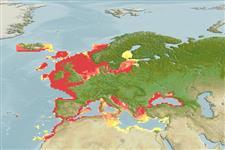
ສັດທະເລ; ນ້ຳຈືດ; ນ້ຳກ່ອຍ pelagic-neritic; ປາທີ່ມີການເຄື່ອນຍ້າຍຈາກທະເລ ແລະ ໄປໄຂ່ຢູ່ນ້ຳຈືດ (Ref. 138126); ລະດັບຄວາມເລິກ 10 - 400 m (Ref. 2945). Temperate; 66°N - 27°N, 25°W - 42°E
Northeast Atlantic: Atlantic coasts from southern and western Iceland to northern Morocco (Ref. 188, 6683), including North Sea (Ref. 6683), Baltic Sea (Ref. 188, 6683); also Mediterranean Sea (Ref. 188, 3397, 6683) and Black Sea (Ref. 188, 3397, 26334). Several subspecies have been recognized based on the number of gill rakers and geographical location (Ref. 10541); some have since been given species-status (Ref. 59043).
ຄວາມຍາວໃນການເຕີບໂຕເຕັມຄັ້ງທໍາອິດ / ຂະໜາດ / ນ້ຳໜັກ / ອາຍຸ
ການຈະເລີນເຕັມໄວ: Lm 32.5 range ? - ? cm
Max length : 60.0 cm SL ຕົວຜູ້/ບໍ່ມີເພດ; (Ref. 35388); common length : 40.0 cm SL ຕົວຜູ້/ບໍ່ມີເພດ; (Ref. 2945); ນ້ຳໜັກສູງສຸດທີ່ເຄຍຈັດພີມມາ: 1.5 kg (Ref. 188); ອາຍຸສູງສຸດທີ່ເຄຍລາຍງານມາ: 25 ປີ (Ref. 556)
ຄີ (ໜາມ)ແຂງຢູ່ຫຼັງປາ (ທັງໝົດ) : 0; ຄີຫຼັງຂອງປາ (ຄີອ່ອນ) (ທັງໝົດ) : 16 - 22; ຄີ(ໜາມ) ແຂງຢູ່ຄີກົ້ນປາ
ກຸ່ມປາກະດູກແຂງ
ຄວາມຖີ່ຂອງກຸ່ມຖ່າຍທອດພັນ
ປາທີ່ມີການເຄື່ອນຍ້າຍຈາກທະເລໄປຫານ້ຳຈືດ ແລະນ້ຳຈືດຫາທະເລ
ປາທີ່ມີການເຄື່ອນຍ້າຍຈາກທະເລແລະໄປໄຂ່ຢູ່ນ້ຳຈືດ
ຄີກົ້ນຂອງປາ
ສັດທີ່ມີກະດູກສັນຫັຼງ
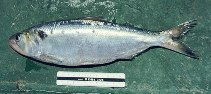
ການຖ່າຍທອດທາງກຳມະພັນຈາກພໍ່ແມ່ຫາລູກ: 0; ຄີກົ້ນຂອງປາ: 19 - 26; ສັດທີ່ມີກະດູກສັນຫຼັງ: 49 - 59. Diagnosis: Body somewhat compressed, moderately deep with depth at pectoral fin less than head length, scutes apparent along belly (Ref. 188). Upper jaw notched, lower jaw fitting into it; no teeth on palatine and vomer; gillrakers fairly short and stout, total 30 to 80, shorter than gill filaments (Ref. 188, 59043). Usually a series of 4-8 black blotches behind gill opening, but sometimes a single blotch, the others faint or absent (Ref. 188, 40476, 59043). Alosa fallax resembles Alosa alosa, which has more and longer gillrakers and at most only 3 dark spots on flank (Ref. 188).
Body shape (shape guide): fusiform / normal; Cross section: compressed.
Amphihaline species (Ref. 51442), schooling and strongly migratory, but apparently not penetrating far up rivers (Ref. 188, 6683). Adults are usually found in open waters along the coast (Refs. 59043, 89486); juveniles are usually found along estuaries and near the shore (Ref. 59043), possibly making vertical diurnal movements synchronized with the tides; they remain in estuaries for over one year (Ref. 89630). Several landlocked (lake) non-migratory populations exist (Ref. 10541). Mostly anadromous, entering river mouths in March (Italy) or early June (northenr European rivers) to spawn in or above the tidal reaches; adults probably return to sea not long after spawning (Ref. 188, 6683). Eggs are demersal and widely scattered among sand or gravel on river bed (Ref. 118, 6683). Ichthyophagous, feeds on small fishes and crustaceans, the young taking the fry of herrings, sprats and gobies (Ref. 188, 51442). Females grow faster and are always larger than males of the same age (Ref. 10541). Very locally distributed due to pollution and impoundment of large rivers throughout Europe and most populations declined during the first decade of the 20th century, but seem to have stabilized at a low level since then (Ref. 59043). It has been suggested that members of the genus Alosa are hearing specialists with the American shad (Alosa sapidissima) having been found to detect and respond to sounds up to at least 180 kHz (Ref. 89631). This may aid in predator avoidance (e.g. cetaceans) (Ref. 89632). Hybridization between this species and the allis shad (Alosa alosa) has been reported from the Rhine (Ref. 89633) as well as rivers in France and Algeria (Ref. 10541). There is some evidence that indicates that shad hybrids may reproduce (Ref. 27567).
Adults in the sea begin to congregate near mouths of estuaries in April. Enter estuaries and ascend rivers in May and June when water temperature is between 10-14 °C (Refs. 188, 51442, 59043, 89636). Males begin such movements at 2-3 years, females at 3-4 years (Ref. 59043). Although movement upstream is usually limited to a few kilometres above the brackish zone (Refs. 59043, 89486), spawning has also been reported in non-tidal freshwater areas up to 400 km upstream (Ref. 89637). Gametogenesis occurs in the estuaries. Early arrivals in the rivers are mostly males, with the sex ratio becoming more equal with the later arrivals (Ref. 42360). Spawning movements occur with spring tides and peak when river discharge levels are high (Refs. 89636, 89638). However, when flows are too high, movements upstream become limited (Refs. 89636, 89639). Spawn when water temperature is anywhere between 12-22 °C (Ref. 10541). Move to riverine spawning grounds at night; spawn in large, very noisy schools near surface and leave these areas before daybreak (Ref. 10541).
Spawning sites consist of sand and gravel areas with flowing water (Ref. 10541). Spent adults return to the sea and may spawn for 3-4 seasons throughout their lifetime (Refs. 30578, 51442, 59043). Most individuals will have lost 22 % of their body weight after spawning (Ref. 89640). There is some evidence that most individuals return to their natal rivers to spawn (Refs. 10541, 59043). Eggs either drift with the current or sink to the bottom (Ref. 59043, 89641). Eggs hatch after 2-8 days, depending on water temperature (optimal 15-25 °C) (Refs. 35387, 41851). Larvae and juveniles move towards the estuaries and river mouths during their first summer and to the sea at the end of their second year (Ref. 59043). Males mature mainly between the ages of 2-5 years, females between 3-7 years (Ref. 188, 2163, 10541). Length at maturity is between 30-40 cm total length (Ref. 88187).
Whitehead, P.J.P., 1985. FAO Species Catalogue. Vol. 7. Clupeoid fishes of the world (suborder Clupeoidei). An annotated and illustrated catalogue of the herrings, sardines, pilchards, sprats, shads, anchovies and wolf-herrings. FAO Fish. Synop. 125(7/1):1-303. Rome: FAO. (Ref. 188)
ສະຖານະພາບບັນຊີແດງຂອງ IUCN (Ref. 130435: Version 2025-2)
ໄພຂົ່ມຂູ່ຕໍ່ມະນຸດ
Harmless
ການນໍາໃຊ້ຂອງມະນຸດ
ການປະມົງ: ທີ່ເປັນການຄ້າໜ້ອຍ
ເຄື່ອງມື
ບົດລາຍງານພິເສດ
ດາວໂຫລດ XML
ແຫຼ່ງອີນເຕີເນັດ
ການຄາດຄະເນໂດຍອີງໃສ່ແບບຈໍາລອງ
ອຸນຫະພູມທີ່ຕ້ອງການ (ເອກະສານອ້າງອີງ
123201): 8.7 - 19.3, mean 10.8 °C (based on 522 cells).
ດັດຊະນີຄວາມຫຼາກຫຼາຍທາງຊີວະພາບ (ເອກະສານອ້າງອີງ
82804): PD
50 = 0.5000 [Uniqueness, from 0.5 = low to 2.0 = high].
Bayesian length-weight: a=0.00562 (0.00474 - 0.00667), b=3.06 (3.02 - 3.10), in cm total length, based on LWR estimates for this species (Ref.
93245).
ຊັ້ນເຂດຮ້ອນ (ເອກະສານອ້າງອີງ
69278): 4.0 ±0.4 se; based on diet studies.
Generation time: 3.1 (2.2 - 4.8) years. Estimated as median ln(3)/K based on 14
growth studies.
ຄວາມຢືດຢຸ່ນ (ເອກະສານອ້າງອີງ
120179): ຂະໜາດກາງ, ປະຊາກອນຕຳ່ສຸດທີ່ໃຊ້ເວລາສອງເທົ່າ 1.4 - 4.4 ປີ (K=0.21-0.38; tm=2-7; tmax=25; Fec>10,000).
ຄວາມສ່ຽງຕໍ່ການຫາປາ (Ref.
59153): Moderate to high vulnerability (50 of 100).
🛈
ຄວາມສ່ຽງດ້ານສະພາບອາກາດ (Ref.
125649): Moderate vulnerability (44 of 100).
🛈
ທາດອາຫານ (Ref.
124155): Calcium = 9.95 [4.94, 51.06] mg/100g; Iron = 0.495 [0.207, 1.198] mg/100g; Protein = 19.5 [17.1, 22.4] %; Omega3 = 1.53 [0.81, 2.92] g/100g; Selenium = 14.3 [7.1, 31.3] μg/100g; VitaminA = 14.2 [3.7, 52.6] μg/100g; Zinc = 0.288 [0.182, 0.505] mg/100g (wet weight); based on
nutrient studies.