Chaenodraco wilsoni, Spiny icefish : fisheries

You can sponsor this page

Chaenodraco wilsoni Regan, 1914

Spiny icefish
Add your observation in Fish Watcher
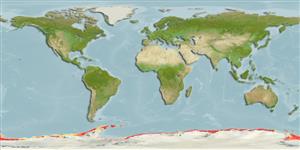
Native range | All suitable habitat | Point map | Year 2050
This map was computer-generated and has not yet been reviewed.
Chaenodraco wilsoni   AquaMaps   Data sources: GBIF OBIS
Upload your photos and videos
ຮູບ | Google image
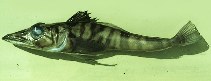
Image of Chaenodraco wilsoni (Spiny icefish)
Chaenodraco wilsoni
Picture by Busse, K.

Common names from other countries

Classification / Names ຊື່ສາມັນ | ຄຳສັບຄ້າຍຄືກັນ | Catalog of Fishes(ຕະກຸນ, ຊະນິດ) | ITIS | CoL | WoRMS | Cloffa

> Perciformes/Notothenioidei (Icefishes) > Channichthyidae (Crocodile icefishes)
Etymology: Chaenodraco: Greek, chaeno = to yawn + Greek, drako = dragon (Ref. 45335).
Eponymy: Dr Edward Adrian Wilson (1872–1912) was an English physician, polar explorer, painter and natural historian. [...] (Ref. 128868), visit book page.
More on author: Regan.

Environment: milieu / climate zone / ລະດັບຄວາມເລິກ / distribution range ນິເວດວິທະຍາ

ສັດທະເລ ກ່ຽວກັບ (ຢູ່)ເທິງຊັ້ນພື້ນດິນໃນທະເລເປີດ; ລະດັບຄວາມເລິກ 200 - 800 m (Ref. 5200). Polar; 60°S - 78°S, 180°W - 180°E (Ref. 5200)

ການແຜ່ກະຈາຍ ປະເທດ | ເຂດ FAO | ລະບົບນິເວດ | ການປະກົດຕົວ | ຈຸດໃດໜຶ່ງທີ່ສະແດງອອກໃນແຜນທີ່ (ພ້ອມທັງສະແດງຂໍ້ມູນເພີ້ນເຕີມ) | ການແນະນຳ | Faunafri

Southern Ocean: Circum-Antarctic on Antarctic continental shelf. Northernmost records from vicinity of South Orkney Islands and Antarctic Peninsula.

Length at first maturity / ຂະໜາດ / ນ້ຳໜັກ / Age

ການຈະເລີນເຕັມໄວ: Lm ?, range 23 - ? cm
Max length : 43.0 cm TL ຕົວຜູ້/ບໍ່ມີເພດ; (Ref. 5200); common length : 30.0 cm TL ຕົວຜູ້/ບໍ່ມີເພດ; (Ref. 2805)

Short description ຕົວທີ່ໃຊ້ໃນການຈຳແນກຊະນິດ | ສະລີລະວິທະຍາ | ການວັດແທກຮູບຮ່າງລັກສະນະພາຍນອກຂອງດິນ,ສັດ,ປາ…

ຄີ (ໜາມ)ແຂງຢູ່ຫຼັງປາ (ທັງໝົດ) : 5 - 8; ຄີຫຼັງຂອງປາ (ຄີອ່ອນ) (ທັງໝົດ) : 38 - 42; ຄີ(ໜາມ) ແຂງຢູ່ຄີກົ້ນປາ ກຸ່ມປາກະດູກແຂງ ຄວາມຖີ່ຂອງກຸ່ມຖ່າຍທອດພັນ ປາທີ່ມີການເຄື່ອນຍ້າຍຈາກທະເລໄປຫານ້ຳຈືດ ແລະນ້ຳຈືດຫາທະເລ ປາທີ່ມີການເຄື່ອນຍ້າຍຈາກທະເລແລະໄປໄຂ່ຢູ່ນ້ຳຈືດ ຄີກົ້ນຂອງປາ ສັດທີ່ມີກະດູກສັນຫັຼງ ການຖ່າຍທອດທາງກຳມະພັນຈາກພໍ່ແມ່ຫາລູກ: 0; ຄີກົ້ນຂອງປາ: 32 - 36. Supraorbital ridge not crenulated. Middle lateral line restricted to caudal peduncle; lower lateral line originating from in front of anal-fin origin to above sixth anal ray. Maxilla extending to below anterior third of eye. Opercular bones with 2 upper and 3 lower spines. Preopercular-mandibular canal not joined to temporal canal. Pelvic fins extending beyond anal-fin origin. In life, pale grey, whitish ventrally. Differentiated by the dorsoventrally oval shape; the prominent distally rounded rostrum, pseudo-rostrum and pseudo-antirostrum; the clearly defined excisura ostii and pseudo-excisura ostii; the acutely constricted collum; and the well developed colliculli. Ontogeny: The excisura ostii and the pseudo-excisura ostii become deeper and the crista inferior becomes less distinct with an increase in the fish size.
Body shape (shape guide): elongated; Cross section: oval.

ຊີວະສາດ     ຄຳແປສັບ (ຕ.ຢ. epibenthic)

Common in shallower waters of the continental shelf, especially on banks less than 250 m deep in areas where local upwelling increase food supply (Ref. 6390). Postlarvae and pelagic juveniles are also found in the upper 100 m (Ref. 5200). Food consists of fishes and krill. Spawn in winter (Ref. 6390). Larval pelagic phase is long (Ref. 28915). Prey to penguins and seals (Ref. 6390). Utilized as a food fish (Ref. 5200).

Life cycle and mating behavior ການຈະເລີນເຕັມໄວ | ການສືບພັນ | ການວາງໄຂ່ | ໄຂ່ | ຄວາມດົກຂອງໄຂ່ປາ | ຕົວອ່ອນ

Main reference Upload your references | ເອກະສານອ້າງອີງ | ຜູ້ປະສານງານ | ຜູ້ຮ່ວມມື

Iwami, T. and K.-H. Kock, 1990. Channichthyidae. p. 381-389. In O. Gon and P.C. Heemstra (eds.) Fishes of the Southern Ocean. J.L.B. Smith Institute of Ichthyology, Grahamstown, South Africa. 462 p. (Ref. 5200)

IUCN Red List Status (Ref. 130435: Version 2025-1)


CITES

Not Evaluated

CMS (Ref. 116361)

Not Evaluated

Threat to humans

  Harmless


Human uses

ການປະມົງ: ທີ່ເປັນການຄ້າໜ້ອຍ
FAO - ການປະມົງ: landings; Publication: search | FishSource | ທະເລອ້ອມຂ້າງພວກເຮົາ

ຂໍ້ມູນຕື່ມອີກ

ນິເວດວິທະຍາເຂດຮ້ອນ
Food items (preys)
ອົງປະກອບຂອງອາຫານ
ການບໍລິໂພກອາຫານ
Food rations
ຜູ້ລ້າ
ນິເວດວິທະຍາ
ນິເວດວິທະຍາ
Home ranges
Population dynamics
ຕົວວັດແທກການເຕີບໃຫຍ່
Max. ages / sizes
Length-weight rel.
Length-length rel.
Length-frequencies
Mass conversion
ການທົດແທນທີ່
ຄວາມອຸດົມສົມບູນ
Life cycle
ການສືບພັນ
ການຈະເລີນເຕັມໄວ
Maturity/Gills rel.
ຄວາມດົກຂອງໄຂ່ປາ
ການວາງໄຂ່
Spawning aggregations
ໄຂ່
Egg development
ຕົວອ່ອນ
ການປ່ຽນແປງຂອງຕົວອ່ອນ
ການແຜ່ກະຈາຍ
ປະເທດ
ເຂດ FAO
ລະບົບນິເວດ
ການປະກົດຕົວ
ການແນະນຳ
BRUVS - Videos
Anatomy
ເນື້ອທີ່ເຫືອກ
Brain
Otolith
Physiology
Body composition
Nutrients
ການບໍລິໂພກອົກຊີເຈນ
ປະເພດການລອຍ
ຄວາມໄວໃນການລອຍ
Visual pigments
Fish sound
Diseases & Parasites
Toxicity (LC50s)
ກຳມະພັນ
Genome
ກຳມະພັນ
Heterozygosity
ການຖ່າຍທອດທາງກຳມະພັນຈາກພໍ່ແມ່ຫາລູກ
Human related
Aquaculture systems
ຂໍ້ມູນການລ້ຽງສັດນ້ຳ
ສາຍພັນ
Ciguatera cases
Stamps, coins, misc.
ເອກະສານອ້າງອີງ
ເອກະສານອ້າງອີງ

ເຄື່ອງມື

Special reports

Download XML

ແຫຼ່ງອີນເຕີເນັດ

Estimates based on models

Preferred temperature (ເອກະສານອ້າງອີງ 123201): -1.8 - 1.4, mean -0.8 °C (based on 825 cells).
Phylogenetic diversity index (ເອກະສານອ້າງອີງ 82804):  PD50 = 1.0000   [Uniqueness, from 0.5 = low to 2.0 = high].
Bayesian length-weight: a=0.00098 (0.00057 - 0.00167), b=3.53 (3.38 - 3.68), in cm total length, based on LWR estimates for this species & (Sub)family-body (Ref. 93245).
ຊັ້ນເຂດຮ້ອນ (ເອກະສານອ້າງອີງ 69278):  3.2   ±0.2 se; based on diet studies.
ຄວາມຢືດຢຸ່ນ (ເອກະສານອ້າງອີງ 120179):  ຂະໜາດກາງ, ປະຊາກອນຕຳ່ສຸດທີ່ໃຊ້ເວລາສອງເທົ່າ 1.4 - 4.4 ປີ (Fec = 393-862).
Fishing Vulnerability (Ref. 59153):  Low to moderate vulnerability (33 of 100). 🛈
Climate Vulnerability (Ref. 125649):  High vulnerability (64 of 100). 🛈
Price category (Ref. 80766):   Very high.
Nutrients (Ref. 124155):  Calcium = 24.1 [13.1, 52.5] mg/100g; Iron = 0.394 [0.164, 0.807] mg/100g; Protein = 16.6 [14.9, 18.4] %; Omega3 = 0.238 [0.110, 0.509] g/100g; Selenium = 23 [8, 56] μg/100g; VitaminA = 20.2 [4.2, 101.6] μg/100g; Zinc = 0.466 [0.301, 0.712] mg/100g (wet weight);