Engyprosopon septempes, Seven pelvic ray flounder

You can sponsor this page

Engyprosopon septempes Amaoka, Mihara & Rivaton, 1993

Seven pelvic ray flounder
Add your observation in Fish Watcher
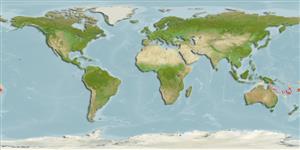
Native range | All suitable habitat | Point map | Year 2050
This map was computer-generated and has not yet been reviewed.
Engyprosopon septempes   AquaMaps   Data sources: GBIF OBIS
Upload your photos and videos
ຮູບ | Google image
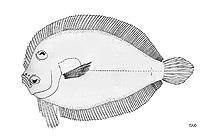
Image of Engyprosopon septempes (Seven pelvic ray flounder)
Engyprosopon septempes
Picture by FAO

Classification / Names ຊື່ສາມັນ | ຄຳສັບຄ້າຍຄືກັນ | Catalog of Fishes(ຕະກຸນ, ຊະນິດ) | ITIS | CoL | WoRMS | Cloffa

> Pleuronectiformes (Flatfishes) > Bothidae (Lefteye flounders)
Etymology: Engyprosopon: Greek, eggys = nearly + Greek,prosopon = a face (Ref. 45335).

Environment: milieu / climate zone / ລະດັບຄວາມເລິກ / distribution range ນິເວດວິທະຍາ

ສັດທະເລ ອາໄສຢູ່ໃກ້ໜ້າດິນໃຕ້ພື້ນທ້ອງນ້ຳ; ລະດັບຄວາມເລິກ 44 - 88 m (Ref. 9824). Tropical

ການແຜ່ກະຈາຍ ປະເທດ | ເຂດ FAO | ລະບົບນິເວດ | ການປະກົດຕົວ | ຈຸດໃດໜຶ່ງທີ່ສະແດງອອກໃນແຜນທີ່ (ພ້ອມທັງສະແດງຂໍ້ມູນເພີ້ນເຕີມ) | ການແນະນຳ | Faunafri

Western Central Pacific: known only from the Coral Sea.

ຂະໜາດ / ນ້ຳໜັກ / Age

ການຈະເລີນເຕັມໄວ: Lm ?  range ? - ? cm
Max length : 7.1 cm SL ຕົວຜູ້/ບໍ່ມີເພດ; (Ref. 9824)

Short description ຕົວທີ່ໃຊ້ໃນການຈຳແນກຊະນິດ | ສະລີລະວິທະຍາ | ການວັດແທກຮູບຮ່າງລັກສະນະພາຍນອກຂອງດິນ,ສັດ,ປາ…

Maximum SL about 7.1 cm. Inhabits sand bottoms at depths of 44 to 88 m (Ref 42535).
Body shape (shape guide): short and / or deep.

ຊີວະສາດ     ຄຳແປສັບ (ຕ.ຢ. epibenthic)

Inhabits sand bottoms.

Life cycle and mating behavior ການຈະເລີນເຕັມໄວ | ການສືບພັນ | ການວາງໄຂ່ | ໄຂ່ | ຄວາມດົກຂອງໄຂ່ປາ | ຕົວອ່ອນ

Main reference Upload your references | ເອກະສານອ້າງອີງ | ຜູ້ປະສານງານ : Amaoka, Kunio | ຜູ້ຮ່ວມມື

Amaoka, K., E. Mihara and J. Rivaton, 1993. Pisces, Pleuronectiformes: Flatfishes from the waters around New Caledonia. - A revision of the genus Engyprosopon. p. 377-426. In A. Crosnier (ed.) Résultats des Campagnes MUSORSTOM, Volume 22. Mém. Mus. natn. Hist. nat. (158):377-426. (Ref. 9558)

IUCN Red List Status (Ref. 130435: Version 2025-1)

  Least Concern (LC) ; Date assessed: 04 March 2015

CITES

Not Evaluated

CMS (Ref. 116361)

Not Evaluated

Threat to humans

  Harmless


Human uses

FAO - Publication: search | FishSource |

ຂໍ້ມູນຕື່ມອີກ

ນິເວດວິທະຍາເຂດຮ້ອນ
Food items (preys)
ອົງປະກອບຂອງອາຫານ
ການບໍລິໂພກອາຫານ
Food rations
ຜູ້ລ້າ
ນິເວດວິທະຍາ
ນິເວດວິທະຍາ
Home ranges
Population dynamics
ຕົວວັດແທກການເຕີບໃຫຍ່
Max. ages / sizes
Length-weight rel.
Length-length rel.
Length-frequencies
Mass conversion
ການທົດແທນທີ່
ຄວາມອຸດົມສົມບູນ
Life cycle
ການສືບພັນ
ການຈະເລີນເຕັມໄວ
Maturity/Gills rel.
ຄວາມດົກຂອງໄຂ່ປາ
ການວາງໄຂ່
Spawning aggregations
ໄຂ່
Egg development
ຕົວອ່ອນ
ການປ່ຽນແປງຂອງຕົວອ່ອນ
ການແຜ່ກະຈາຍ
ປະເທດ
ເຂດ FAO
ລະບົບນິເວດ
ການປະກົດຕົວ
ການແນະນຳ
BRUVS - Videos
Anatomy
ເນື້ອທີ່ເຫືອກ
Brain
Otolith
Physiology
Body composition
Nutrients
ການບໍລິໂພກອົກຊີເຈນ
ປະເພດການລອຍ
ຄວາມໄວໃນການລອຍ
Visual pigments
Fish sound
Diseases & Parasites
Toxicity (LC50s)
ກຳມະພັນ
Genome
ກຳມະພັນ
Heterozygosity
ການຖ່າຍທອດທາງກຳມະພັນຈາກພໍ່ແມ່ຫາລູກ
Human related
Aquaculture systems
ຂໍ້ມູນການລ້ຽງສັດນ້ຳ
ສາຍພັນ
Ciguatera cases
Stamps, coins, misc.
ເອກະສານອ້າງອີງ
ເອກະສານອ້າງອີງ

ເຄື່ອງມື

Special reports

Download XML

ແຫຼ່ງອີນເຕີເນັດ

Estimates based on models

Preferred temperature (ເອກະສານອ້າງອີງ 123201): 23.8 - 26.8, mean 24.6 °C (based on 4 cells).
Phylogenetic diversity index (ເອກະສານອ້າງອີງ 82804):  PD50 = 0.5000   [Uniqueness, from 0.5 = low to 2.0 = high].
Bayesian length-weight: a=0.00912 (0.00408 - 0.02036), b=3.04 (2.85 - 3.23), in cm total length, based on LWR estimates for this (Sub)family-body shape (Ref. 93245).
ຊັ້ນເຂດຮ້ອນ (ເອກະສານອ້າງອີງ 69278):  3.4   ±0.4 se; based on size and trophs of closest relatives
ຄວາມຢືດຢຸ່ນ (ເອກະສານອ້າງອີງ 120179):  ສູງ, ປະຊາກອນຕຳ່ສຸດທີ່ໃຊ້ເວລາສອງໜ້ອຍກວ່າ 15 ເດືອນ (Preliminary K or Fecundity.).
Fishing Vulnerability (Ref. 59153):  Low vulnerability (10 of 100). 🛈