Environment: milieu / climate zone / ລະດັບຄວາມເລິກ / distribution range
ນິເວດວິທະຍາ
ສັດທະເລ ກ່ຽວກັນຫີນ; ລະດັບຄວາມເລິກ 1 - 30 m (Ref. 1602). Tropical; 30°N - 28°S
Eastern Indian Ocean: although reported to occur widely in the Indo-Pacific, specimens have only been collected at the Batu Islands, off Sumatra, Indonesia. Western Indian Ocean: Gravid females have been collected from Seychelles Islands (Ref. 45699).
Length at first maturity / ຂະໜາດ / ນ້ຳໜັກ / Age
ການຈະເລີນເຕັມໄວ: Lm 4.8, range 5 - 5 cm
Max length : 12.0 cm SL ຕົວຜູ້/ບໍ່ມີເພດ; (Ref. 1602)
ຄີ (ໜາມ)ແຂງຢູ່ຫຼັງປາ (ທັງໝົດ) : 0; ຄີຫຼັງຂອງປາ (ຄີອ່ອນ) (ທັງໝົດ) : 75 - 88; ຄີ(ໜາມ) ແຂງຢູ່ຄີກົ້ນປາ
ກຸ່ມປາກະດູກແຂງ
ຄວາມຖີ່ຂອງກຸ່ມຖ່າຍທອດພັນ
ປາທີ່ມີການເຄື່ອນຍ້າຍຈາກທະເລໄປຫານ້ຳຈືດ ແລະນ້ຳຈືດຫາທະເລ
ປາທີ່ມີການເຄື່ອນຍ້າຍຈາກທະເລແລະໄປໄຂ່ຢູ່ນ້ຳຈືດ
ຄີກົ້ນຂອງປາ
ສັດທີ່ມີກະດູກສັນຫັຼງ
ການຖ່າຍທອດທາງກຳມະພັນຈາກພໍ່ແມ່ຫາລູກ: 0; ຄີກົ້ນຂອງປາ: 59 - 69; ສັດທີ່ມີກະດູກສັນຫຼັງ: 41 - 45.
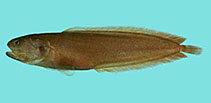
Body shape (shape guide): elongated; Cross section: compressed.
Rare species (Ref. 34024) notable for its strict association with true reef environments and particularly so with outer reefs and reef cores (Ref. 81230). An indweller of deep interstices of lagoon and seaward reefs to a depth of at least 30 m (Ref. 1602). Ovoviviparous (Ref. 240). Solitary inhabitant of shallow water, cryptic (Ref 90102).
Ovoviviparous. Sexes can be readily distinguished by the male's intromittent organ and the female's genital pore (Ref. 240, 205). On the basis of this morphology, copulation may involve flexion of the male's body and pumping of sperm into the female (Ref. 240). Embryos are retained in the ovaries until about 6 mm long, deriving nourishment from large yolk sacs, making the species ovoviviparous rather than viviparous (Ref. 240).
Nielsen, J.G., D.M. Cohen, D.F. Markle and C.R. Robins, 1999. Ophidiiform fishes of the world (Order Ophidiiformes). An annotated and illustrated catalogue of pearlfishes, cusk-eels, brotulas and other ophidiiform fishes known to date. FAO Fish. Synop. 125(18):178p. Rome: FAO. (Ref. 34024)
IUCN Red List Status (Ref. 130435: Version 2025-1)
Threat to humans
Harmless
Human uses
ການປະມົງ: ທີ່ອາດມີຄວາມສົນໃຈ
ເຄື່ອງມື
Special reports
Download XML
ແຫຼ່ງອີນເຕີເນັດ
Estimates based on models
Preferred temperature (ເອກະສານອ້າງອີງ
123201): 25.5 - 29.3, mean 28.4 °C (based on 3018 cells).
Phylogenetic diversity index (ເອກະສານອ້າງອີງ
82804): PD
50 = 0.7500 [Uniqueness, from 0.5 = low to 2.0 = high].
Bayesian length-weight: a=0.00389 (0.00180 - 0.00842), b=3.12 (2.94 - 3.30), in cm total length, based on all LWR estimates for this body shape (Ref.
93245).
ຊັ້ນເຂດຮ້ອນ (ເອກະສານອ້າງອີງ
69278): 2.6 ±0.1 se; based on diet studies.
Fishing Vulnerability (Ref.
59153): Low vulnerability (10 of 100).
🛈
Nutrients (Ref.
124155): Calcium = 138 [75, 245] mg/100g; Iron = 0.922 [0.534, 1.561] mg/100g; Protein = 16.9 [14.3, 19.3] %; Omega3 = 0.11 [0.06, 0.19] g/100g; Selenium = 32.5 [16.6, 73.1] μg/100g; VitaminA = 88.1 [26.6, 286.7] μg/100g; Zinc = 2.24 [1.53, 3.13] mg/100g (wet weight);