>
Blenniiformes (Blennies) >
Tripterygiidae (Triplefin blennies) > Tripterygiinae
Etymology: Ruanoho: A vernacular name in maori, New Zealand.
Environment: milieu / climate zone / ລະດັບຄວາມເລິກ / distribution range
ນິເວດວິທະຍາ
ສັດທະເລ ອາໄສຢູ່ໃກ້ໜ້າດິນໃຕ້ພື້ນທ້ອງນ້ຳ; ລະດັບຄວາມເລິກ 0 - 6 m (Ref. 84086). Temperate
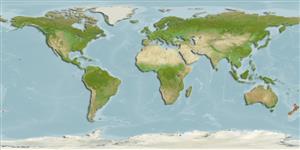
Southwest Pacific: around mainland New Zealand.
ຂະໜາດ / ນ້ຳໜັກ / Age
ການຈະເລີນເຕັມໄວ: Lm ? range ? - ? cm
Max length : 12.0 cm TL ຕົວຜູ້/ບໍ່ມີເພດ; (Ref. 84086)
Short description
ຕົວທີ່ໃຊ້ໃນການຈຳແນກຊະນິດ | ສະລີລະວິທະຍາ | ການວັດແທກຮູບຮ່າງລັກສະນະພາຍນອກຂອງດິນ,ສັດ,ປາ…
ຄີ (ໜາມ)ແຂງຢູ່ຫຼັງປາ (ທັງໝົດ) : 20 - 23; ຄີຫຼັງຂອງປາ (ຄີອ່ອນ) (ທັງໝົດ) : 14 - 16; ຄີ(ໜາມ) ແຂງຢູ່ຄີກົ້ນປາ
ກຸ່ມປາກະດູກແຂງ
ຄວາມຖີ່ຂອງກຸ່ມຖ່າຍທອດພັນ
ປາທີ່ມີການເຄື່ອນຍ້າຍຈາກທະເລໄປຫານ້ຳຈືດ ແລະນ້ຳຈືດຫາທະເລ
ປາທີ່ມີການເຄື່ອນຍ້າຍຈາກທະເລແລະໄປໄຂ່ຢູ່ນ້ຳຈືດ
ຄີກົ້ນຂອງປາ
ສັດທີ່ມີກະດູກສັນຫັຼງ
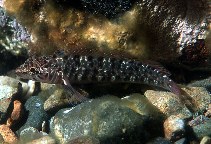
ການຖ່າຍທອດທາງກຳມະພັນຈາກພໍ່ແມ່ຫາລູກ: 2; ຄີກົ້ນຂອງປາ: 24 - 27. Males uniform grey to black with red fins and a bluish white margin to the anal fin during the breeding season. Females mottled greenish grey with an indistinct broken dark band along the base of the dorsal fins. Distinguished from other triplefins by the flattened pointed head and snout, the short, square caudal peduncle, and by having three spines in the first dorsal fin and 14-16 spines in the second.
Body shape (shape guide): elongated.
Adults are commonly found in sheltered areas shallower than 5 m. Typical in shallow habitats in coastal mainland areas and seldom on offshore islands. Mainly found under rocks. They feed on a range of benthic invertebrates including ophiuroids, archaeogastropods, trichoptera and errant polychaetes (Ref. 84084). Eggs are hemispherical and covered with numerous sticky threads that anchor them in the algae on the nesting sites (Ref. 240). Larvae are planktonic which occur primarily in shallow, nearshore waters (Ref. 94114). They are caught by slurp guns and handnets (Ref. 84086).
Life cycle and mating behavior
ການຈະເລີນເຕັມໄວ | ການສືບພັນ | ການວາງໄຂ່ | ໄຂ່ | ຄວາມດົກຂອງໄຂ່ປາ | ຕົວອ່ອນ
Fricke, R., 1994. Tripterygiid fishes of Australia, New Zealand and the southwest Pacific Ocean (Teleostei). Theses Zool. 24:1-585. (Ref. 13227)
IUCN Red List Status (Ref. 130435: Version 2025-1)
Threat to humans
Harmless
Human uses
ການປະມົງ: ທີ່ບໍ່ມີຄວາມສົນໃຈ
ເຄື່ອງມື
Special reports
Download XML
ແຫຼ່ງອີນເຕີເນັດ
Estimates based on models
Preferred temperature (ເອກະສານອ້າງອີງ
123201): 10.6 - 21.2, mean 15.9 °C (based on 162 cells).
Phylogenetic diversity index (ເອກະສານອ້າງອີງ
82804): PD
50 = 0.7500 [Uniqueness, from 0.5 = low to 2.0 = high].
Bayesian length-weight: a=0.00708 (0.00399 - 0.01256), b=3.06 (2.90 - 3.22), in cm total length, based on LWR estimates for this species & (Sub)family-body (Ref.
93245).
ຊັ້ນເຂດຮ້ອນ (ເອກະສານອ້າງອີງ
69278): 3.3 ±0.4 se; based on size and trophs of closest relatives
ຄວາມຢືດຢຸ່ນ (ເອກະສານອ້າງອີງ
120179): ສູງ, ປະຊາກອນຕຳ່ສຸດທີ່ໃຊ້ເວລາສອງໜ້ອຍກວ່າ 15 ເດືອນ (Preliminary K or Fecundity.).
Fishing Vulnerability (Ref.
59153): Low vulnerability (10 of 100).
🛈