>
Clupeiformes (Herrings) >
Dorosomatidae (Gizzard shads and sardinellas)
Etymology: Microthrissa: Grek, mikros = small + Greek, thrissa, -es = shad (Ref. 45335).
More on author: Poll.
Environment: milieu / climate zone / ລະດັບຄວາມເລິກ / distribution range
ນິເວດວິທະຍາ
; ນ້ຳຈືດ ກ່ຽວກັບ (ຢູ່) ໄກ້ໜ້ານ້ຳໃນທະເລເປີດ. Tropical; 3°N - 7°S
Africa: Congo River system in Dungu River and its tributary Garamba River (Ref. 188), and Lower Congo River (Ref. 188) in Democratic Republic of the Congo (Ref. 47399). Also reported as Microthrissa cf. minuta from mouth of Niemba River, Lukuga River, an outflow of Lake Tanganyika, in Democratic Republic of the Congo (Ref. 93587).
ຂະໜາດ / ນ້ຳໜັກ / Age
ການຈະເລີນເຕັມໄວ: Lm ? range ? - ? cm
Max length : 4.3 cm SL ຕົວຜູ້/ບໍ່ມີເພດ; (Ref. 47399)
ຄີ (ໜາມ)ແຂງຢູ່ຫຼັງປາ (ທັງໝົດ) : 0; ຄີຫຼັງຂອງປາ (ຄີອ່ອນ) (ທັງໝົດ) : 12 - 15; ຄີ(ໜາມ) ແຂງຢູ່ຄີກົ້ນປາ
ກຸ່ມປາກະດູກແຂງ
ຄວາມຖີ່ຂອງກຸ່ມຖ່າຍທອດພັນ
ປາທີ່ມີການເຄື່ອນຍ້າຍຈາກທະເລໄປຫານ້ຳຈືດ ແລະນ້ຳຈືດຫາທະເລ
ປາທີ່ມີການເຄື່ອນຍ້າຍຈາກທະເລແລະໄປໄຂ່ຢູ່ນ້ຳຈືດ
ຄີກົ້ນຂອງປາ
ສັດທີ່ມີກະດູກສັນຫັຼງ
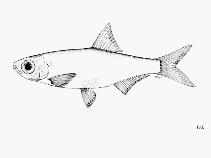
ການຖ່າຍທອດທາງກຳມະພັນຈາກພໍ່ແມ່ຫາລູກ: 0; ຄີກົ້ນຂອງປາ: 18 - 21; ສັດທີ່ມີກະດູກສັນຫຼັງ: 40 - 44. Diagnosis: Body moderately deep, its depth about 22-30% of standard length; scutes strongly keeled, 1 or 2 before base of first pectoral fin ray, 11-12 pre-pelvic and 6-8 post-pelvic scutes; snout pointed; lower jaw not or slightly projecting, included in upper when mouth closed, with small teeth limited to anterior part; pre-maxilla with 12-30 small conical teeth directed inwards; maxilla blade slender, more than 3 times as long as deep, upper edge with a ridge flared outward; posterior supra-maxilla small, spatulate, shaft as long as blade; lower gillrakers 18-22 (Ref. 188, 47399, 93833). Also characterized by 37-43 scales in a longitudinal series and anal fin with 18-21 rays (Ref. 47399). It resembles Microthrissa royauxi, which has fewer gillrakers but more anal fin rays, 14-17 and 23-27 respectively (Ref. 188). It is distinguished from Microthrissa whiteheadi by a lower number of teeth on the pre-maxilla, 12-30 vs. 32-40 in M. whiteheadi; and additionally by a higher number of lower gillrakers, 18-22 vs. 14-18, a lower number of anal fin rays, 18-21 vs. 20-25, and a lower number of pre-pelvic scutes, 11-12 vs. 13-16 (Ref. 46514, 47399).
Body shape (shape guide): fusiform / normal; Cross section: compressed.
A riverine species (Ref. 188).
Life cycle and mating behavior
ການຈະເລີນເຕັມໄວ | ການສືບພັນ | ການວາງໄຂ່ | ໄຂ່ | ຄວາມດົກຂອງໄຂ່ປາ | ຕົວອ່ອນ
Gourène, G. and G.G. Teugels, 1989. Révision systématique du genre Microthrissa Boulenger, 1902 des eaux douces africaines (Pisces, Clupeidae). Rev. Hydrobiol. Trop. 22(2):129-156. (Ref. 47399)
IUCN Red List Status (Ref. 130435: Version 2025-1)
Threat to humans
Harmless
Human uses
ການປະມົງ: ການປະມົງແບບກຸ້ມຕົນເອງ
ເຄື່ອງມື
Special reports
Download XML
ແຫຼ່ງອີນເຕີເນັດ
Estimates based on models
Phylogenetic diversity index (ເອກະສານອ້າງອີງ
82804): PD
50 = 0.5312 [Uniqueness, from 0.5 = low to 2.0 = high].
Bayesian length-weight: a=0.00871 (0.00415 - 0.01826), b=3.06 (2.89 - 3.23), in cm total length, based on LWR estimates for this (Sub)family-body shape (Ref.
93245).
ຊັ້ນເຂດຮ້ອນ (ເອກະສານອ້າງອີງ
69278): 3.1 ±0.3 se; based on size and trophs of closest relatives
ຄວາມຢືດຢຸ່ນ (ເອກະສານອ້າງອີງ
120179): ສູງ, ປະຊາກອນຕຳ່ສຸດທີ່ໃຊ້ເວລາສອງໜ້ອຍກວ່າ 15 ເດືອນ (Preliminary K or Fecundity.).
Fishing Vulnerability (Ref.
59153): Low vulnerability (10 of 100).
🛈