>
Carangiformes (Jacks) >
Carangidae (Jacks and pompanos) > Caranginae
Etymology: Pseudocaranx: Greek, pseudes = false + French, carangue, the name of a Caribbean fish; 1836 (Ref. 45335).
Eponymy: J H Wright was said to have “presented many interesting specimens of Botany Bay fishes to the Australian Museum”. [...] (Ref. 128868), visit book page.
More on author: Whitley.
Environment: milieu / climate zone / ລະດັບຄວາມເລິກ / distribution range
ນິເວດວິທະຍາ
ສັດທະເລ; ນ້ຳກ່ອຍ pelagic-neritic; ລະດັບຄວາມເລິກ ? - 30 m (Ref. 33616). Temperate
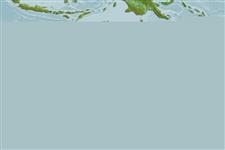
Eastern Indian Ocean: southern Australia, from Western Australia to New South Wales.
ຂະໜາດ / ນ້ຳໜັກ / Age
ການຈະເລີນເຕັມໄວ: Lm ? range ? - ? cm
Max length : 70.0 cm SL ຕົວຜູ້/ບໍ່ມີເພດ; (Ref. 9563)
ຄີ (ໜາມ)ແຂງຢູ່ຫຼັງປາ (ທັງໝົດ) : 9; ຄີຫຼັງຂອງປາ (ຄີອ່ອນ) (ທັງໝົດ) : 22 - 26; ຄີ(ໜາມ) ແຂງຢູ່ຄີກົ້ນປາ
ກຸ່ມປາກະດູກແຂງ
ຄວາມຖີ່ຂອງກຸ່ມຖ່າຍທອດພັນ
ປາທີ່ມີການເຄື່ອນຍ້າຍຈາກທະເລໄປຫານ້ຳຈືດ ແລະນ້ຳຈືດຫາທະເລ
ປາທີ່ມີການເຄື່ອນຍ້າຍຈາກທະເລແລະໄປໄຂ່ຢູ່ນ້ຳຈືດ
ຄີກົ້ນຂອງປາ
ສັດທີ່ມີກະດູກສັນຫັຼງ
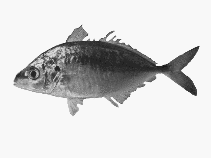
ການຖ່າຍທອດທາງກຳມະພັນຈາກພໍ່ແມ່ຫາລູກ: 3; ຄີກົ້ນຂອງປາ: 18 - 22; ສັດທີ່ມີກະດູກສັນຫຼັງ: 24. This species is distinguished by the following characters: posterior margin of upper jaw canted posteroventrally; the lachrymal and expanded part of the maxilla densely covered with scales; a well-defined opercular spot, nearly solid black and approximately the diameter of the pupil; caudal vertebra 14; gill rakers, upper 10-15, lower 24-28, total 35-43; lateral line with 37-48 scales in the curved portion and 24-35 posterior scutes; never developing a yellow mid-lateral body stripe; second dorsal and anal fins transparent or dusky green, no yellow
pigmentation. (Ref. 76781).
Body shape (shape guide): fusiform / normal; Cross section: compressed.
Adults occur over sand and seagrass (Ref. 26068) in coastal waters including estuaries (Ref. 9563).
Life cycle and mating behavior
ການຈະເລີນເຕັມໄວ | ການສືບພັນ | ການວາງໄຂ່ | ໄຂ່ | ຄວາມດົກຂອງໄຂ່ປາ | ຕົວອ່ອນ
Paxton, J.R., D.F. Hoese, G.R. Allen and J.E. Hanley, 1989. Pisces. Petromyzontidae to Carangidae. Zoological Catalogue of Australia, Vol. 7. Australian Government Publishing Service, Canberra, 665 p. (Ref. 7300)
IUCN Red List Status (Ref. 130435: Version 2025-1)
Threat to humans
Harmless
Human uses
ການປະມົງ: ການປະມົງແບບກຸ້ມຕົນເອງ
ເຄື່ອງມື
Special reports
Download XML
ແຫຼ່ງອີນເຕີເນັດ
Estimates based on models
Preferred temperature (ເອກະສານອ້າງອີງ
123201): 16.1 - 22.8, mean 18 °C (based on 172 cells).
Phylogenetic diversity index (ເອກະສານອ້າງອີງ
82804): PD
50 = 0.5625 [Uniqueness, from 0.5 = low to 2.0 = high].
Bayesian length-weight: a=0.01318 (0.00626 - 0.02776), b=2.96 (2.79 - 3.13), in cm total length, based on LWR estimates for this (Sub)family-body shape (Ref.
93245).
ຊັ້ນເຂດຮ້ອນ (ເອກະສານອ້າງອີງ
69278): 3.4 ±0.3 se; based on diet studies.
ຄວາມຢືດຢຸ່ນ (ເອກະສານອ້າງອີງ
120179): ຂະໜາດກາງ, ປະຊາກອນຕຳ່ສຸດທີ່ໃຊ້ເວລາສອງເທົ່າ 1.4 - 4.4 ປີ (Preliminary K or Fecundity.).
Fishing Vulnerability (Ref.
59153): Moderate to high vulnerability (54 of 100).
🛈
Nutrients (Ref.
124155): Calcium = 39 [19, 93] mg/100g; Iron = 0.518 [0.278, 1.036] mg/100g; Protein = 19.7 [18.5, 21.0] %; Omega3 = 0.612 [0.332, 1.186] g/100g; Selenium = 8.61 [3.98, 18.59] μg/100g; VitaminA = 9.84 [2.68, 35.36] μg/100g; Zinc = 0.663 [0.453, 0.947] mg/100g (wet weight);