


Notorynchus cepedianus (Péron, 1807)
Broadnose sevengill shark
ເພີ່ມການສັງເກດຂອງທ່ານໃນ Fish Watcher
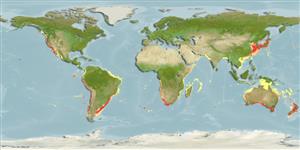
| Native range | All suitable habitat | Point map | Year 2050 |
|
| This map was computer-generated and has not yet been reviewed. |
| Notorynchus cepedianus AquaMaps Data sources: GBIF OBIS |
ການຈັດປະເພດ / ຊື່ ຊື່ສາມັນ | ຄຳສັບຄ້າຍຄືກັນ | Catalog of Fishes(ຕະກຸນ, ຊະນິດ) | ITIS | CoL | WoRMS | Cloffa
ກຸ່ມປາກະດູກອ່ອນ (ເຊັ່ນ: ປາສະຫລາມ, ປາຜາໄລ) (sharks and rays) > Hexanchiformes (Frill and cow sharks) > Hexanchidae (Cow sharks)
Etymology: Notorynchus: Etymology not explained, presumably noto(s) (Gr.), back, possibly referring to posterior placement of single dorsal fin; rhynchus (L.), snout, possibly referring to broad, depressed snout (See ETYFish); cepedianus: -anus, Latin adjectival suffix that means, when attached to a name, “belonging to”: Bernard Germain Étienne de La Ville-sur-Illon, comte de [count of] La Cepède (also spelled as La Cépède, Lacépède and Lacepède, 1756-1825), author of Histoire Naturelle des Poissons (1798-1803) and Péron’s “illustrious master” (translation) in ichthyology (See ETYFish).
Eponymy: Bernard Germaine Etienne de la Ville, Comte de Lacépède (also spelled La Cepède) (1756– 1825), was a French naturalist and politician. [...] (Ref. 128868), visit book page.
Etymology: Notorynchus: Etymology not explained, presumably noto(s) (Gr.), back, possibly referring to posterior placement of single dorsal fin; rhynchus (L.), snout, possibly referring to broad, depressed snout (See ETYFish); cepedianus: -anus, Latin adjectival suffix that means, when attached to a name, “belonging to”: Bernard Germain Étienne de La Ville-sur-Illon, comte de [count of] La Cepède (also spelled as La Cépède, Lacépède and Lacepède, 1756-1825), author of Histoire Naturelle des Poissons (1798-1803) and Péron’s “illustrious master” (translation) in ichthyology (See ETYFish).
Eponymy: Bernard Germaine Etienne de la Ville, Comte de Lacépède (also spelled La Cepède) (1756– 1825), was a French naturalist and politician. [...] (Ref. 128868), visit book page.
ສະພາບແວດລ້ອມ: ສະພາບແວດລ້ອມ / ເຂດດິນຟ້າອາກາດ / ລະດັບຄວາມເລິກ / ຂອບເຂດການແຈກຢາຍ ນິເວດວິທະຍາ
ສັດທະເລ; ນ້ຳກ່ອຍ ອາໄສຢູ່ໃກ້ໜ້າດິນໃຕ້ພື້ນທ້ອງນ້ຳ; ລະດັບຄວາມເລິກ 0 - 570 m (Ref. 26346), usually ? - 80 m (Ref. 5578). Subtropical; 56°N - 55°S, 131°W - 177°E (Ref. 54680)
ການແຜ່ກະຈາຍ ອານາເຂດ | ເຂດ FAO | ລະບົບນິເວດ | ການປະກົດຕົວ | ຈຸດໃດໜຶ່ງທີ່ສະແດງອອກໃນແຜນທີ່ (ພ້ອມທັງສະແດງຂໍ້ມູນເພີ້ນເຕີມ) | ການແນະນຳ | Faunafri
Circumglobal: In tropical to temperate waters; except North Atlantic and Mediterranean Sea. Southwest Atlantic: southern Brazil to northern Argentina. Southeast Atlantic: Namibia to East London, South Africa (Ref. 5578). Western Pacific: southern Japan to New Zealand. Eastern Pacific: British Columbia, Canada to Chile. Record from India maybe erroneous.
ຄວາມຍາວໃນການເຕີບໂຕເຕັມຄັ້ງທໍາອິດ / ຂະໜາດ / ນ້ຳໜັກ / ອາຍຸ
ການຈະເລີນເຕັມໄວ: Lm 200.0, range 192 - 208 cm
Max length : 300 cm TL ຕົວຜູ້/ບໍ່ມີເພດ; (Ref. 5578); common length : 150 cm TL ຕົວຜູ້/ບໍ່ມີເພດ; (Ref. 6077); ນ້ຳໜັກສູງສຸດທີ່ເຄຍຈັດພີມມາ: 107.0 kg (Ref. 9987); ອາຍຸສູງສຸດທີ່ເຄຍລາຍງານມາ: 49 ປີ (Ref. 27952)
Max length : 300 cm TL ຕົວຜູ້/ບໍ່ມີເພດ; (Ref. 5578); common length : 150 cm TL ຕົວຜູ້/ບໍ່ມີເພດ; (Ref. 6077); ນ້ຳໜັກສູງສຸດທີ່ເຄຍຈັດພີມມາ: 107.0 kg (Ref. 9987); ອາຍຸສູງສຸດທີ່ເຄຍລາຍງານມາ: 49 ປີ (Ref. 27952)
ຄຳອະທິບາຍສັ້ນໆ ຕົວທີ່ໃຊ້ໃນການຈຳແນກຊະນິດ | ສະລີລະວິທະຍາ | ການວັດແທກຮູບຮ່າງລັກສະນະພາຍນອກຂອງດິນ,ສັດ,ປາ…
ຄີ (ໜາມ)ແຂງຢູ່ຫຼັງປາ (ທັງໝົດ) : 0; ຄີ(ໜາມ) ແຂງຢູ່ຄີກົ້ນປາ
ກຸ່ມປາກະດູກແຂງ
ຄວາມຖີ່ຂອງກຸ່ມຖ່າຍທອດພັນ
ປາທີ່ມີການເຄື່ອນຍ້າຍຈາກທະເລໄປຫານ້ຳຈືດ ແລະນ້ຳຈືດຫາທະເລ
ປາທີ່ມີການເຄື່ອນຍ້າຍຈາກທະເລແລະໄປໄຂ່ຢູ່ນ້ຳຈືດ
ຄີກົ້ນຂອງປາ
ສັດທີ່ມີກະດູກສັນຫັຼງ
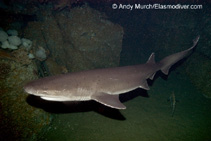
ການຖ່າຍທອດທາງກຳມະພັນຈາກພໍ່ແມ່ຫາລູກ: 0; ສັດທີ່ມີກະດູກສັນຫຼັງ: 123 - 157. A large seven-gilled cowshark (Ref. 5578) with a wide head, short and blunt snout, and fusiform body. Dorsal fin small, origin may vary from over insertion of pelvic fins to over free rear tips of pelvic fins. Anal fin smaller than dorsal fin. Tooth count 15-16/13. Reddish-brown to silvery-grey or olive-brown with numerous small black spots on body and fins; cream below (Ref. 5578).
Body shape (shape guide): elongated.
Body shape (shape guide): elongated.
Found on the continental shelf, often in shallow water (Ref. 247). Occurs close inshore, in bays and estuaries (Ref. 6871), with larger individuals ranging into deeper waters offshore and deep channels in bays (Ref. 247). Usually cruising steadily and slowly near the bottom (sometimes in water as shallow as a meter), but sometimes at the surface (Ref. 247). Can dash at speed when attacking prey (Ref. 247). Feeds on anything, including other sharks, rays, chimaeras, bony fish, hagfish, dolphin and porpoise meat, seals, shark egg cases, sea snails and mammalian carrion, including rats and humans (Ref. 5578). Ovoviviparous (Ref. 50449), with 82 to 95 young in a litter (Ref. 31395). Aggressive when provoked, and regarded as potentially dangerous to people in open waters (Ref. 247). It has attacked divers in captivity and may be involved in a few shark attacks off California and South Africa (Ref. 247). Often caught by anglers from the shore (Ref. 6574). Utilized for human consumption, its skin for leather, and its liver as a source of oil (Ref. 247).
ວົງຈອນຊີວິດ ແລະພຶດຕິກໍາການຫາຄູ່ ການຈະເລີນເຕັມໄວ | ການສືບພັນ | ການວາງໄຂ່ | ໄຂ່ | ຄວາມດົກຂອງໄຂ່ປາ | ຕົວອ່ອນ
Ovoviviparous, embryos feeding solely on yolk (Ref. 50449), with number of young reaching 82 in a litter. Gravid females apparently drop their young in shallow bays. Size at birth between 40 (Ref. 26346) and 53 (Ref. 247) cm. Distinct pairing with embrace (Ref. 205). Gestation period 12 months. The reproductive cycle appears to be biennial (Ref. 45445).
ເອກະສານອ້າງອີງຫຼັກ
ອັບໂຫລດເອກະສານອ້າງອີງຂອງທ່ານ | ເອກະສານອ້າງອີງ | ຜູ້ປະສານງານ : Compagno, Leonard J.V. | ຜູ້ຮ່ວມມື
Compagno, L.J.V., 1984. FAO Species Catalogue. Vol. 4. Sharks of the world. An annotated and illustrated catalogue of shark species known to date. Part 1 - Hexanchiformes to Lamniformes. FAO Fish. Synop. 125(4/1):1-249. Rome, FAO. (Ref. 247)
ສະຖານະພາບບັນຊີແດງຂອງ IUCN (Ref. 130435: Version 2025-2 (Global))
ມີຄວາມສ່ຽງ (VU) (A2bd); Date assessed: 08 February 2020
CITES
Not Evaluated
ໄພຂົ່ມຂູ່ຕໍ່ມະນຸດ
Traumatogenic (Ref. 247)
ການນໍາໃຊ້ຂອງມະນຸດ
ການປະມົງ: ເປັນສີນຄ້າ; ຊະນິດປາທີ່ຖືກນຳໃຊ້ເຂົ້າໃນການຫາເພື່ອເປັນເກມກິລາ: ແມ່ນ; ຕູ້ປາ: ບ່ອນວາງສະແດງສັນນ້ຳຂອງລັດ
FAO - ການປະມົງ: ການລົງຈອດ, ໂປຣໄຟລ໌ສາຍພັນ; Publication: search | FishSource | ທະເລອ້ອມຂ້າງພວກເຮົາ
ຂໍ້ມູນຕື່ມອີກ
ນະໂຍບາຍດ້ານປະຊາກອນ
ຕົວວັດແທກການເຕີບໃຫຍ່
ສູງສຸດ. ອາຍຸ / ຂະຫນາດ
ຄວາມຍາວ-ນ້ໍາຫນັກ rel.
ຄວາມຍາວ - ຄວາມຍາວ rel.
ຄວາມຖີ່ຄວາມຍາວ
ການແປງມະຫາຊົນ
ການທົດແທນທີ່
ຄວາມອຸດົມສົມບູນ
ຕົວວັດແທກການເຕີບໃຫຍ່
ສູງສຸດ. ອາຍຸ / ຂະຫນາດ
ຄວາມຍາວ-ນ້ໍາຫນັກ rel.
ຄວາມຍາວ - ຄວາມຍາວ rel.
ຄວາມຖີ່ຄວາມຍາວ
ການແປງມະຫາຊົນ
ການທົດແທນທີ່
ຄວາມອຸດົມສົມບູນ
ວົງຈອນຊີວິດ
ການສືບພັນ
ການຈະເລີນເຕັມໄວ
ການເຕີບໃຫຍ່ / Gills rel.
ຄວາມດົກຂອງໄຂ່ປາ
ການວາງໄຂ່
ການລວບລວມການວາງໄຂ່
ໄຂ່
ການພັດທະນາໄຂ່
ຕົວອ່ອນ
ການປ່ຽນແປງຂອງຕົວອ່ອນ
ການສືບພັນ
ການຈະເລີນເຕັມໄວ
ການເຕີບໃຫຍ່ / Gills rel.
ຄວາມດົກຂອງໄຂ່ປາ
ການວາງໄຂ່
ການລວບລວມການວາງໄຂ່
ໄຂ່
ການພັດທະນາໄຂ່
ຕົວອ່ອນ
ການປ່ຽນແປງຂອງຕົວອ່ອນ
ຟີຊິກສາດ
ອົງປະກອບຂອງຮ່າງກາຍ
ທາດອາຫານ
ການບໍລິໂພກອົກຊີເຈນ
ປະເພດລອຍ
ຄວາມໄວໃນການລອຍ
ເມັດສີທີ່ເບິ່ງເຫັນ
ສຽງປາ
ພະຍາດ & ກາຝາກ
ຄວາມເປັນພິດ (LC50s)
ອົງປະກອບຂອງຮ່າງກາຍ
ທາດອາຫານ
ການບໍລິໂພກອົກຊີເຈນ
ປະເພດລອຍ
ຄວາມໄວໃນການລອຍ
ເມັດສີທີ່ເບິ່ງເຫັນ
ສຽງປາ
ພະຍາດ & ກາຝາກ
ຄວາມເປັນພິດ (LC50s)
ມະນຸດທີ່ກ່ຽວຂ້ອງ
ລະບົບການລ້ຽງປາ
ຂໍ້ມູນການລ້ຽງສັດນ້ຳ
ສາຍພັນ
ກໍລະນີ Ciguatera
ສະແຕມ, ຫຼຽນ, ອື່ນໆ.
ລະບົບການລ້ຽງປາ
ຂໍ້ມູນການລ້ຽງສັດນ້ຳ
ສາຍພັນ
ກໍລະນີ Ciguatera
ສະແຕມ, ຫຼຽນ, ອື່ນໆ.
ເຄື່ອງມື
Bio Quiz | E-book | ຄູ່ມືພາກສະໜາມ | ຕົວທີ່ໃຊ້ໃນການຈຳແນກຊະນິດ | ຄວາມຖີ່ຂອງຄວາມຍາວປາ | ເຄື່ອງມືຂອງຊີວະປະຫວັດທາງດ້ານຊີວິດ | ຈຸດໃດໜຶ່ງທີ່ສະແດງອອກໃນແຜນທີ່ (ພ້ອມທັງສະແດງຂໍ້ມູນເພີ້ນເຕີມ) |
ຈັບ-MSY |
ບົດລາຍງານພິເສດ
ກວດສອບການບໍາລຸງຮັກສາຕູ້ປາ | ກວດເບິ່ງເອກະສານຄວາມຈິງຂອງຊະນິດ | ກວດເບິ່ງເອກະສານຄວາມເປັນຈິງການລ້ຽງສັດນ້ຳ
ດາວໂຫລດ XML
ແຫຼ່ງອີນເຕີເນັດ
AFORO (otoliths) | Aquatic Commons | BHL | Cloffa | Websites from users | Check FishWatcher | CISTI | Catalog of Fishes: ຕະກຸນ, ຊະນິດ | DiscoverLife | ECOTOX | FAO - ການປະມົງ: ການລົງຈອດ, ໂປຣໄຟລ໌ສາຍພັນ; Publication: search | Faunafri | Fishipedia | Fishtrace | GloBI | Google Books | Google Scholar | Google | IGFA World Record | ຖານຂໍ້ມູນແຫ່ງຊາດ | OneZoom | Open Tree of Life | Otolith Atlas of Taiwan Fishes | PubMed | Reef Life Survey | Socotra Atlas | TreeBase | ແຜນທີ່ສະແດງກິ່ງງ່າຂອງເຊື້ອຕະກຸນປາ, ສັດ ຈາກບັນພະບູລຸດຈົນເຖິງຫລານ | Wikipedia: Go, ຊອກຫາ | World Records Freshwater Fishing | ການບັນທຶກດ້ານສັດວິທະຍາ
ການຄາດຄະເນໂດຍອີງໃສ່ແບບຈໍາລອງ
ອຸນຫະພູມທີ່ຕ້ອງການ (ເອກະສານອ້າງອີງ 123201): 7.5 - 19.2, mean 14.2 °C (based on 122 cells).
ດັດຊະນີຄວາມຫຼາກຫຼາຍທາງຊີວະພາບ (ເອກະສານອ້າງອີງ 82804): PD50 = 1.0391 [Uniqueness, from 0.5 = low to 2.0 = high].
Bayesian length-weight: a=0.00224 (0.00096 - 0.00523), b=3.15 (2.95 - 3.35), in cm total length, based on LWR estimates for this (Sub)family-body shape (Ref. 93245).
ຊັ້ນເຂດຮ້ອນ (ເອກະສານອ້າງອີງ 69278): 4.7 ±0.2 se; based on diet studies.
ຄວາມຢືດຢຸ່ນ (ເອກະສານອ້າງອີງ 120179): ຕຳ່ຫຼາຍ, ປະຊາກອນຕຳ່ສຸດທີ່ໃຊ້ເວລາສອງເທົ່າຫຼາຍກວ່າ 14 ປີ (rm=0.026; K=0.25; tm=16; tmax=32; Fec=82-95).
ທາດອາຫານ (Ref. 124155): Calcium = 13.3 [2.9, 63.2] mg/100g; Iron = 0.671 [0.165, 1.979] mg/100g; Protein = 20.1 [17.9, 22.2] %; Omega3 = 0.275 [0.123, 0.632] g/100g; Selenium = 43.1 [11.1, 117.0] μg/100g; VitaminA = 5.25 [1.65, 16.47] μg/100g; Zinc = 0.328 [0.161, 0.626] mg/100g (wet weight);