ກຸ່ມປາກະດູກອ່ອນ (ເຊັ່ນ: ປາສະຫລາມ, ປາຜາໄລ) (sharks and rays) >
Rajiformes (Skates and rays) >
Arhynchobatidae (Softnose skates)
Etymology: Bathyraja: Greek, bathys = deep + Latin, raja, -ae = a ray (Raja sp) (Ref. 45335); interrupta: Name refers to the interrupted row of thorns down the middorsal and tail.
More on authors: Gill & Townsend.
Environment: milieu / climate zone / ລະດັບຄວາມເລິກ / distribution range
ນິເວດວິທະຍາ
ສັດທະເລ ກ່ຽວກັບ(ຢູ່)ຊັ້ນນ້ຳໃນທະເລທີ່ເໜີອພື້ນດິນ; ລະດັບຄວາມເລິກ 23 - 1500 m (Ref. 27436), usually 200 - 500 m (Ref. 126515). Deep-water
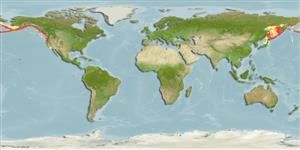
North Pacific: Bering Sea, Alaska south to British Columbia, Canada.
ຂະໜາດ / ນ້ຳໜັກ / Age
ການຈະເລີນເຕັມໄວ: Lm ? range ? - ? cm
Max length : 89.0 cm TL ຕົວຜູ້/ບໍ່ມີເພດ; (Ref. 126515)
Short description
ຕົວທີ່ໃຊ້ໃນການຈຳແນກຊະນິດ | ສະລີລະວິທະຍາ | ການວັດແທກຮູບຮ່າງລັກສະນະພາຍນອກຂອງດິນ,ສັດ,ປາ…
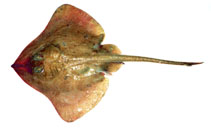
This moderately-sized skates (82.5 cm TL) with disc length (47.7-54.0% TL) are distinguished by the following; head length moderate (18.4-21.4% TL), posterior lobe of pelvic fins are long (10.4-23.4% TL); claspers are long and robust, tip rounded and not bulbous, no pseudosiphon, with a weak, but long pseudorhipidion, U-shaped cleft, projection rounded and protrudes from tip, has a very large sentina, sentinel present; teeth in 22-32 rows on upper jaw, teeth in 23-32 rows on lower jaw; total vertebrae 133; dorsal surface covered in small, sandpaper-like prickles; thorns in a non-continuous row, mature males with strong alar thorns, no malar thorns, middorsal thorns strong (1-8), nuchal thorns robust (2-5), tail thorns moderate (18-26), interdorsal thorns weak (0-1). Colouration: dorsal brown to grey, with numerous small dark spots on body; ventral white, often with dark brown blotches on underside of tail (Ref. 126515).
Cross section: flattened.
Inhabit the outer continental shelf, on mud or sand bottoms (Ref. 27436). Frequently found buried in substrate (Ref. 27436). Feed on benthic invertebrates including euphausiids, crabs, and various shrimps (e.g., pandalids, hippolytids, crangonids) and bony fishes. Reported size at maturity for males is 69-70 cm TL and for females 71-72 cm TL, with a maximum size of at least 89 cm TL (Ref. 126515). Oviparous. Distinct pairing with embrace. Young may tend to follow large objects, such as their mother (Ref. 205). Eggs are deposited in sandy or muddy flats (Ref. 205). Egg cases are small (7.8-7.9 cm TL), colour golden brown, covered with small and coarse prickles that form longitudinal rows. The egg cases with lateral keels very wide, horns taper and become thin and filamentous at their ends, with the anterior horn being more robust (Ref. 126515). Although the pectoral fins may be used to prepare a variety of dishes, they are generally considered not saleable, and incidental catches are usually discarded (Ref. 27436). Occasionally used to produce mink feed and fertilizer (Ref. 27436). Minimum depth reported from Ref. 6793.
Life cycle and mating behavior
ການຈະເລີນເຕັມໄວ | ການສືບພັນ | ການວາງໄຂ່ | ໄຂ່ | ຄວາມດົກຂອງໄຂ່ປາ | ຕົວອ່ອນ
Oviparous, paired eggs are laid. Embryos feed solely on yolk (Ref. 50449). Distinct pairing with embrace. Young may tend to follow large objects, such as their mother (Ref. 205).
Knuckey, J.D.S. and D.A. Ebert, 2022. A taxonomic revision of Northeast Pacific softnose skates (Rajiformes: Arhynchobatidae: Bathyraja Ishiyama). Zootaxa 5142(1):1-89. (Ref. 126515)
IUCN Red List Status (Ref. 130435: Version 2025-1)
Threat to humans
Harmless
Human uses
ການປະມົງ: bycatch
ເຄື່ອງມື
Special reports
Download XML
ແຫຼ່ງອີນເຕີເນັດ
Estimates based on models
Preferred temperature (ເອກະສານອ້າງອີງ
123201): 1 - 5.4, mean 2.1 °C (based on 298 cells).
Phylogenetic diversity index (ເອກະສານອ້າງອີງ
82804): PD
50 = 0.5000 [Uniqueness, from 0.5 = low to 2.0 = high].
Bayesian length-weight: a=0.00457 (0.00306 - 0.00682), b=3.05 (2.93 - 3.17), in cm total length, based on LWR estimates for this species & Genus-body shape (Ref.
93245).
ຊັ້ນເຂດຮ້ອນ (ເອກະສານອ້າງອີງ
69278): 3.4 ±0.46 se; based on food items.
ຄວາມຢືດຢຸ່ນ (ເອກະສານອ້າງອີງ
120179): ຕຳ່ຫຼາຍ, ປະຊາກອນຕຳ່ສຸດທີ່ໃຊ້ເວລາສອງເທົ່າຫຼາຍກວ່າ 14 ປີ (Fec=6).
Fishing Vulnerability (Ref.
59153): High to very high vulnerability (68 of 100).
🛈
Nutrients (Ref.
124155): Calcium = 6.86 [1.23, 37.25] mg/100g; Iron = 0.31 [0.08, 1.00] mg/100g; Protein = 15.3 [12.7, 17.9] %; Omega3 = 0.488 [0.155, 1.875] g/100g; Selenium = 15.6 [4.2, 49.6] μg/100g; VitaminA = 8.6 [2.0, 38.8] μg/100g; Zinc = 0.38 [0.19, 0.71] mg/100g (wet weight);