


را بارگذاری کني تصاوير و فيلم ها
عکس ها | تصوير گوگل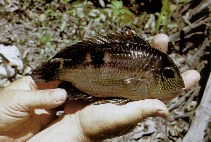 Aequidens pallidus
عکس از DATZ
عکس ها | تصوير گوگل
عکس از DATZ
رده بندی / نامها اسامي عام | مترادف | Catalog of Fishes(جنس, گونه ها) | ITIS | CoL | WoRMS | Cloffa
> Cichliformes (Cichlids, convict blennies) > Cichlidae (Cichlids) > Cichlinae
Etymology: Aequidens: Latin, aequus, equal, equally + Latin, dens, dentis = teeth (Ref. 45335).
More on author: Heckel.
Etymology: Aequidens: Latin, aequus, equal, equally + Latin, dens, dentis = teeth (Ref. 45335).
More on author: Heckel.
Taxonomic Remarks
Redescribed by Kullander & Ferreira (1990).
محیط زیست: محیط زیست / منطقه آب و هوایی / تغييرات عمق / محدوده توزیع بوم شناسي
; آب شيرين موجوداتی که در محدوده وسیعی از آبهای آزاد از نزدیک بستر و یا روی کف بستر، در قسمت های میان آبی تا سطح آب و در برخی گونه ها با قابلیت پرواز، زندگی و تغذیه می کنند.; pH range: 6.5 - 7.5; dH range: ? - 10. Tropical; 22°C - 30°C (Ref. 40602)
پراكنش سرزمینها | مناطق سازمان خوار و بار جهاني (FAO) | اکوسیستمها | ظهور | نقشه نقطه ای | معرفي | Faunafri
South America: Amazon River basin, in the middle and lower Negro River, Uatumã, Preto da Eva, and Puraquequara rivers.
اندازه / وزن / سن
توصيف مختصر كليدهاي شناسايي | ريخت شناسي | ريخت ستجي بوسيله انداره گيري
This species is moderately large (to c. 14.0 cm) with triserial predorsal scale pattern, relatively long pectoral fin (36.6-44.6% of SL) and 25-26 scales in the E1 row. It is most similar to A. tubicen, both of which have an enhanced, wide light spot anterior to the caudal spot, lateral band high on side, posteriorly positioned midlateral spot, and high vertebral count (14 + 13 = 27). A. pallidus differs from A. tubicen in the colour pattern, having a supraorbital spot, (vs. none in A. tubicen) and a normal cheek spot (A. tubicen has a preopercular spot). In this species the posterior part of the lateral band is uninterrupted at all sizes (vs. divided into blotches in A. tubicen). Aequidens pallidus, though resembling A. diadema, can be distinguished from the latter by having higher E1 scale row count 25-26 (vs. 24); much narrower dark margins on dorsal flank scales; and, more posteriorly positioned midlateral spot (through E3 scales 12-15 instead of c. 10-13) (Ref. 86501).
Body shape (shape guide): fusiform / normal.
Body shape (shape guide): fusiform / normal.
Collected from lotic black to clear water: in Rio Uatumá, this species was collected from marginal pools in rapids after the Balbina dam was closed and the river level dropped considerably below normal low water Ievel; Río Preto da Eva site was a relatively slow flowing small forest stream, while the Igarape Tarumázinho site was a swift flowing forest stream. Although collections indicate swamps and lakes, this species has been collected mostly in running water. Reported food items of specimens from Río Negro were chiefly fish and detritus (Ref. 86501). Inhabits rivers (Ref. 12251). Maximum length 20.0 cm TL (Ref. 40602).
چرخه زندگی و رفتار جفتگیری بلوغ | تولید مثل | تخم ریزی | تخم ها | باروری | توزاد ( لارو)
Not a larvophil mouthbrooder (Ref. 40602).
مآخذ اصلی
مراجع خود را بارگذاری کنید | مراجع | هماهنگ كننده : Kullander, Sven O. | همكاران
Kullander, S.O., 2003. Cichlidae (Cichlids). p. 605-654. In R.E. Reis, S.O. Kullander and C.J. Ferraris, Jr. (eds.) Checklist of the Freshwater Fishes of South and Central America. Porto Alegre: EDIPUCRS, Brasil. (Ref. 36377)
وضعيت در فهرست قرمز IUCN (Ref. 130435: Version 2025-2 (Global))
حداقل نگرانی (LC) ; Date assessed: 07 November 2018
CITES
Not Evaluated
خطر برای انسان ها
Harmless
استفاده انسانی
ماهي گيري – شيلات: تجاري; آكواريوم: تجاري
FAO - Publication: search | FishSource |
اطلاعات بيشتر
بومشناسی گرمسیری
اقلام غذایی (طعمهها)
تركيب غذايي
مصرف غذايي
جیره غذایی
شکارچیان
اقلام غذایی (طعمهها)
تركيب غذايي
مصرف غذايي
جیره غذایی
شکارچیان
بوم شناسي
بوم شناسي
بوم شناسي
پویایی جمعیت
پارامترهای رشد
حداکثر سن/اندازه
نسبت طول-وزن.
طول-طول نسبی.
نوسانات طولی
تبدیل انبوه
بازسازی
فراواني
پارامترهای رشد
حداکثر سن/اندازه
نسبت طول-وزن.
طول-طول نسبی.
نوسانات طولی
تبدیل انبوه
بازسازی
فراواني
چرخه زندگی
تولید مثل
بلوغ
بلوغ/آبششها
باروری
تخم ریزی
تجمعات تخمریزی
تخم ها
نمو تخم
توزاد ( لارو)
پويايي لاروي
تولید مثل
بلوغ
بلوغ/آبششها
باروری
تخم ریزی
تجمعات تخمریزی
تخم ها
نمو تخم
توزاد ( لارو)
پويايي لاروي
آناتومی
منطقه آبششي
مغز
اتولیت
منطقه آبششي
مغز
اتولیت
فیزیولوژی
ترکیب بدن
مواد مغذی
مصرف اکسیژن
نوع شنا
سرعت شنا
رنگدانههای بصری
صدای ماهی
بیماریها و انگلها
سمیت (LC50s)
ترکیب بدن
مواد مغذی
مصرف اکسیژن
نوع شنا
سرعت شنا
رنگدانههای بصری
صدای ماهی
بیماریها و انگلها
سمیت (LC50s)
ژنتيك
ژنوم
ژنتيك
هتروزیگوسیتی
وارث
تنوع ژنتیکی
ژنوم
ژنتيك
هتروزیگوسیتی
وارث
تنوع ژنتیکی
ابزارها
کتاب الکترونیکی | راهنماي صحرايي | امكان نرم افزاري بسامد طولي | ابزار تاريخ زيستي | نقشه نقطه ای |
گرفتن-MSY |
گزارش های ويژه
راجع به نگهداری آکواريم ملاحظه کنيد | برگه اطلاعات و مشخصات گونه ها را ملاحظه کنيد | برگه اطلاعات و مشخصات آبزی پروری را ببينيد
بارگيری XML
منابع اينترنتي
AFORO (otoliths) | Aquatic Commons | BHL | Cloffa | Websites from users | فيش واچر را ببينيد | CISTI | Catalog of Fishes: جنس, گونه ها | DiscoverLife | ECOTOX | FAO - Publication: search | Faunafri | Fishipedia | Fishtrace | GloBI | Google Books | Google Scholar | Google | IGFA World Record | OneZoom | Open Tree of Life | Otolith Atlas of Taiwan Fishes | PubMed | Reef Life Survey | Socotra Atlas | TreeBase | Tree of Life | Wikipedia: برو, جستجو | World Records Freshwater Fishing | سوابق جانورشناسی
تخمینها بر اساس مدلها
شاخص تنوع فیلوژنتیکی (مرجع 82804): PD50 = 0.5000 [Uniqueness, from 0.5 = low to 2.0 = high].
Bayesian length-weight: a=0.02291 (0.01280 - 0.04101), b=3.17 (3.01 - 3.33), in cm total length, based on LWR estimates for this species & (Sub)family-body (Ref. 93245).
سطح تروفیک (مرجع 69278): 3.2 ±0.5 se; based on size and trophs of closest relatives
جهندگی (مرجع 120179): متوسط, كمينه زمان لازم براي دو برابر شدن جمعيت 4/1 – 4/4 سال (Assuming Fec<1000).