


Stiphodon imperiorientis Watson & Chen, 1998
သင္ကိုယ္တိုင္တင္သြင္းသည္။ ဓါတ္ပံုမ်ား နွင့္ ရုပ္သံပါရွိေသာဖိုင္မ်ား
ဓါတ္ပံုမ်ား | Google ၏ပံုရိပ္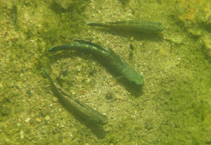 Stiphodon imperiorientis
Male ဓါတ္ပံုအားျဖင့္ FishBase
ဓါတ္ပံုမ်ား | Google ၏ပံုရိပ္
Male ဓါတ္ပံုအားျဖင့္ FishBase
အမ်ဳိးအစားခြဲျခားျခင္း / အမည်များ အမ်ားေခၚအမည္ | အဓိပၸာယ္တူညီမႈရွိျပီး စကားလံုးအသံုးအနႈန္းကြားျခားျခင္းမ်ား | Catalog of Fishes(မ်ိဳးစဥ္, မ်ိဳးစိတ္မ်ား) | ITIS | CoL | WoRMS | Cloffa
> Gobiiformes (Gobies) > Gobiidae (Gobies) > Sicydiinae
Etymology: Stiphodon: Greek, stiphos, -eos, -oys = mass + Greek, odous = teeth (Ref. 45335).
Eponymy: The binomial is a combination of the Latin words imperator (emperor) and orientis (of the east). This is a reference to Emperor Akihito of Japan (See Akihito). (Ref. 128868), visit book page.
Etymology: Stiphodon: Greek, stiphos, -eos, -oys = mass + Greek, odous = teeth (Ref. 45335).
Eponymy: The binomial is a combination of the Latin words imperator (emperor) and orientis (of the east). This is a reference to Emperor Akihito of Japan (See Akihito). (Ref. 128868), visit book page.
ပတ်ဝန်းကျင် : ပတ်ဝန်းကျင် / ရာသီဥတုဇုန် / အနက္အတိုင္းအတာ / ဖြန့်ဖြူးမှုအပိုင်း ေဂဟေဗဒကိုေလ့လာေသာ ဘာသာရပ္
ေရငန္တည္ရွိရာအရပ္; ေရခ်ိဳ; ေရခ်ဳိ၊ေရငန္စပ္ေဒသ ေရမ်က္ႏွာျပင္ အေပၚယံႏွင့္ေအာက္ေျခတြင္ ေနထိုင္အသက္ရွင္ႏိုင္ေသာငါးမ်ဳိးမ်ား; ေရခ်ဳိေရငန္တြင္သြားလာေနထိုင္အသက္ရွင္သန္နိုင္ေသာငါးမ်ဳိး. Subtropical
ပ်ံႏွံ႔ျခင္း နယ်မြေများ | ကမၻာ့စားနပ္ရိကၡာနွင့္ စိုက္ပ်ိဳးေရးအဖြဲ႔ အစည္း၏ သတ္မွတ္ထားေသာေနရာ မ်ား | ေဂဟစနစ္မ်ား | ေတြ႔ရွိမႈ | အမွတ္အသားမ်ားျဖင့္ ေဖာ္ျပထားေသာေျမပံု | အျခားေနရာေဒသသို႔ တင္သြင္းမႈျပဳလုပ္ျခင္း | Faunafri
Asia: southern Japan and the mainland of South China, and probably appears in eastern Taiwan.
အရြယ္အစား / အေလးခ်ိန္ / အသက္အရြယ္
မိ်ဳးပြားရန္အရြယ္ေရာက္ျပီ: Lm ? range ? - ? cm
Max length : 5.0 cm SL အထီး/လိြင္ခြဲျခားျခင္းမျပဳနုိင္ေသာ; (Ref. 28731); 5.2 cm SL (female)
Max length : 5.0 cm SL အထီး/လိြင္ခြဲျခားျခင္းမျပဳနုိင္ေသာ; (Ref. 28731); 5.2 cm SL (female)
အတိုခ်ဳပ္ေဖာ္ျပခ်က္ ငါးမ်ိဳးခြဲျခားရာတြင္ အဓိကက်ေသာအခ်က္မ်ား | ျပင္ပရုပ္သြင္ကိုေလ့လာေသာဘာသာ/ ျပင္ပရုုပ္သြင္ေဗဒ | ျပင္ပရုပ္သြင္လကၡဏမ်ား
ေက်ာဆူးေတာင္ (စုစုေပါင္း) : 7; ေက်ာဘက္တြင္ရွိေသာ ေရယက္၌ပါေသာ အမွ်င္မ်ား (စုစုေပါင္း) : 9 - 10; စအိုတြင္ရွိေသာဆူးေတာင္မ်ား: 1; စအိုနားတြင္ရွိျပီး နူးညံ့ေသာေရယက္အမွ်င္မ်ား: 10. This species is a large-sized Stiphodon with the pectoral fin spotted and sexual dimorphism obvious. Mature male with body grey or dark with iridescent blue/ green/ purple lateral bars (depending on viewing angle), snout and cheek iridescent blue/ green/ purple, first dorsal fin elongated and triangular, second dorsal fin with obvious spots (spots on first dorsal fin not obvious) and the female with two obvious transverse stripes on the body (Ref. 28731, 43239).
Body shape (shape guide): elongated.
Body shape (shape guide): elongated.
Prefers to inhabit areas of boulders with a rock and gravel bottoms in clear streams (Ref. 28731) and mainly feed on epiphyte and biofilm on rocks in the wild. Due to its amphidromous nature, as known to occur with its congeners (adults live and breed in freshwater streams; larvae hatched drift downstream and develop in marine environments; juveniles return to freshwater streams), blockage of the migration pathway (e.g. construction of dam or culvert in streams) would cause a significant impact on this species. Ensuring no net loss of habitat, keeping the natural stream flow and maintaining the stream-ocean corridor are all essential for preserving this species (based on researches on its congeners; see Ref. 82683, 82684, 82685, 82689, 82690, 82692). Collection conducted by aquarium hobbyists (both private and commercial) also poses a serious threat to Stiphodon species in some regions (Ref. 82684) and this kind of activity should be strictly controlled (Ref. 82694).
ဘဝသံသရာနှင့် မိတ်လိုက်သည့် အပြုအမူ မိ်ဳးပြားရန္အရြယ္ေရာက္ျပီ | မ်ိဳးပြားသားေပါက္ျခင္း | သားေပါက္ျခင္း | ဥမ်ား | ဥခ်နွဳန္း | သားေလာင္း
အဓိကက်မ္းကိုးစာအုပ္
သင်၏ကိုးကားချက်များကို တင်ပါ။ | က်မ္းကိုးစာရင္း | တန္းတူျဖစ္ရန္ေမးျမန္းေဆာင္ရြက္သူ | သတင္းအခ်က္အလက္ ေကာက္ယူသူ
Watson, R.E and I.-S. Chen, 1998. Freshwater gobies of the genus Stiphodon from Japan and Taiwan (Teleostei: Gobiidae: Sicydiini). aqua, J. Ichthyol. Aquat. Biol. 3(2):55-66. (Ref. 28731)
စိုးရိမ္ဖြယ္အေျခအေနသို႔ေရာက္ရွိေန ေသာမ်ိဳးသုဥ္းရွားပါးေတာ့မည့္မ်ိဳးစိတ္မ်ား၏အဆင့္အတန္း (Ref. 130435: Version 2025-2 (Global))
ထိခိုက်လွယ်သည်။ (VU) (D2); Date assessed: 01 March 2007
CITES
Not Evaluated
လူသားမ်ားကို ထိတ္လန္႔ေျခာက္ျခားေစသည္။
Harmless
လူသားမ်ား၏အသံုးခ်မႈ
ငါးလုပ္ငန္း: စိတ္၀င္စားမႈမရွိေသာ
FAO - Publication: search | FishSource |
ပိုမိုေသာသတင္းအခ်က္အလက္မ်ားကိုရယူနုိင္ရန္္
အစာရရွိမႈကြင္းဆက္နွင့္ အစာစားေသာအေလ့အက်င့္နွင့္ ပတ္၀န္းက်င္ဆက္စပ္မႈ
အစားအစာ (သားကောင်)
ေန႕စဥ္စားေသာက္သည့္ အစားအစာတြင္ ပါ၀င္ဖြဲ႕စည္းထားသည့္ အဟာရဓါတ္မ်ား
အစာစားသံုးမႈ
ရိက္ခာရိက္ခာ
အစာရွာေဖြေနေသာသတၲ၀ါမ်ား
အစားအစာ (သားကောင်)
ေန႕စဥ္စားေသာက္သည့္ အစားအစာတြင္ ပါ၀င္ဖြဲ႕စည္းထားသည့္ အဟာရဓါတ္မ်ား
အစာစားသံုးမႈ
ရိက္ခာရိက္ခာ
အစာရွာေဖြေနေသာသတၲ၀ါမ်ား
ေဂဟေဗဒကိုေလ့လာေသာ ဘာသာရပ္
ေဂဟေဗဒကိုေလ့လာေသာ ဘာသာရပ္
ေဂဟေဗဒကိုေလ့လာေသာ ဘာသာရပ္
လူဦးရေ ဒိုင်းနမစ်
ၾကီးထြားမႈကို ေဖာ္ျပထားေသာ အတိုင္းအတာမ်ား
မက်တယ်။ အသက်/အရွယ်
အရှည်-အလေးချိန် rel
အလျား-အလျား rel။
ကိုယ္အလ်ားမ်ား၏အတိုင္းအထြာ ၾကိမ္ႏႈန္းမ်ား
အစုလိုက်အပြုံလိုက်ပြောင်းလဲခြင်း။
ျပန္လည္ျဖည့္စြက္ျခင္းျဖင့္ နဂိုအတိုင္းတည္ရွိေနမႈ
ေပါၾကြယ္၀မွဳ
ၾကီးထြားမႈကို ေဖာ္ျပထားေသာ အတိုင္းအတာမ်ား
မက်တယ်။ အသက်/အရွယ်
အရှည်-အလေးချိန် rel
အလျား-အလျား rel။
ကိုယ္အလ်ားမ်ား၏အတိုင္းအထြာ ၾကိမ္ႏႈန္းမ်ား
အစုလိုက်အပြုံလိုက်ပြောင်းလဲခြင်း။
ျပန္လည္ျဖည့္စြက္ျခင္းျဖင့္ နဂိုအတိုင္းတည္ရွိေနမႈ
ေပါၾကြယ္၀မွဳ
ဘဝဖြစ်စဥ်
မ်ိဳးပြားသားေပါက္ျခင္း
မိ်ဳးပြားရန္အရြယ္ေရာက္ျပီ
ရင့်ကျက်မှု/Gills rel
ဥခ်နွဳန္း
သားေပါက္ျခင္း
အစုအဝေးများပေါက်ဖွားခြင်း။
ဥမ်ား
ဥဖြံ႔ျဖိဳးမွဳ
သားေလာင္း
သားေလာင္းမ်ားတည္ရွိမႈ၊ေရႊ႕ရွား ေျပာင္းလဲမႈ၊ၾကီးထြားမႈ၊ ေသဆံုးမႈမ်ား
မ်ိဳးပြားသားေပါက္ျခင္း
မိ်ဳးပြားရန္အရြယ္ေရာက္ျပီ
ရင့်ကျက်မှု/Gills rel
ဥခ်နွဳန္း
သားေပါက္ျခင္း
အစုအဝေးများပေါက်ဖွားခြင်း။
ဥမ်ား
ဥဖြံ႔ျဖိဳးမွဳ
သားေလာင္း
သားေလာင္းမ်ားတည္ရွိမႈ၊ေရႊ႕ရွား ေျပာင္းလဲမႈ၊ၾကီးထြားမႈ၊ ေသဆံုးမႈမ်ား
ပ်ံႏွံ႔ျခင္း
နယ်မြေများ
ကမၻာ့စားနပ္ရိကၡာနွင့္ စိုက္ပ်ိဳးေရးအဖြဲ႔ အစည္း၏ သတ္မွတ္ထားေသာေနရာ မ်ား
ေဂဟစနစ္မ်ား
ေတြ႔ရွိမႈ
အျခားေနရာေဒသသို႔ တင္သြင္းမႈျပဳလုပ္ျခင္း
BRUVS - ဗီဒီယိုများ
နယ်မြေများ
ကမၻာ့စားနပ္ရိကၡာနွင့္ စိုက္ပ်ိဳးေရးအဖြဲ႔ အစည္း၏ သတ္မွတ္ထားေသာေနရာ မ်ား
ေဂဟစနစ္မ်ား
ေတြ႔ရွိမႈ
အျခားေနရာေဒသသို႔ တင္သြင္းမႈျပဳလုပ္ျခင္း
BRUVS - ဗီဒီယိုများ
ခန္ဓာဗေဒ
ပါးဟပ္ဧရိယာ
ဦးနှောက်
Otolith
ပါးဟပ္ဧရိယာ
ဦးနှောက်
Otolith
ဇီဝကမ္မဗေဒ
ခန္ဓာကိုယ်ဖွဲ့စည်းမှု
အာဟာရများ
ေလအသံုးျပဳမႈ ၊ ေလသံုးစြဲမႈပမာဏ
ရေကူးအမျိုးအစား
ကူးခတ္သြားလာေသာအရိွန္နႈန္း
အမြင်အာရုံဆိုးဆေး
ငါးသံ
ရောဂါများနှင့် ကပ်ပါးကောင်များ
အဆိပ်သင့်မှု (LC50s)
ခန္ဓာကိုယ်ဖွဲ့စည်းမှု
အာဟာရများ
ေလအသံုးျပဳမႈ ၊ ေလသံုးစြဲမႈပမာဏ
ရေကူးအမျိုးအစား
ကူးခတ္သြားလာေသာအရိွန္နႈန္း
အမြင်အာရုံဆိုးဆေး
ငါးသံ
ရောဂါများနှင့် ကပ်ပါးကောင်များ
အဆိပ်သင့်မှု (LC50s)
မ်ိဳးရိုးဗီဇ
မ်ိဳးရိုးဗီဇမ်ားစတင္ျဖစ္ေပၚရာေနရာ
မ်ိဳးရိုးဗီဇ
မျိုးရိုးလိုက်ခြင်း
ဆင္းသက္လာေသာ မိ်ဳးရိုးစဥ္ဆက္ကို ေလ့လာထားခ်က္
မျိုးရိုးဗီဇကွဲပြားမှု
မ်ိဳးရိုးဗီဇမ်ားစတင္ျဖစ္ေပၚရာေနရာ
မ်ိဳးရိုးဗီဇ
မျိုးရိုးလိုက်ခြင်း
ဆင္းသက္လာေသာ မိ်ဳးရိုးစဥ္ဆက္ကို ေလ့လာထားခ်က္
မျိုးရိုးဗီဇကွဲပြားမှု
လူသားနဲ့ဆိုင်တယ်။
ငါးမွေးမြူရေးစနစ်များ
ေမြးျမဴေရးနွင့္ပတ္သက္ေသာ မွတ္တမ္း/မွတ္စု
ဗီဇမ်ိဳးရိုးစဥ္ဆက္မ်ား
Ciguatera ကိစ္စများ
တံဆိပ်ခေါင်းများ၊ အကြွေစေ့များ၊
ငါးမွေးမြူရေးစနစ်များ
ေမြးျမဴေရးနွင့္ပတ္သက္ေသာ မွတ္တမ္း/မွတ္စု
ဗီဇမ်ိဳးရိုးစဥ္ဆက္မ်ား
Ciguatera ကိစ္စများ
တံဆိပ်ခေါင်းများ၊ အကြွေစေ့များ၊
အဘိဓာန်
အမ်ားေခၚအမည္
အဓိပၸာယ္တူညီမႈရွိျပီး စကားလံုးအသံုးအနႈန္းကြားျခားျခင္းမ်ား
ျပင္ပရုပ္သြင္ကိုေလ့လာေသာဘာသာ/ ျပင္ပရုုပ္သြင္ေဗဒ
ျပင္ပရုပ္သြင္လကၡဏမ်ား
ဓါတ္ပံုမ်ား
အမ်ားေခၚအမည္
အဓိပၸာယ္တူညီမႈရွိျပီး စကားလံုးအသံုးအနႈန္းကြားျခားျခင္းမ်ား
ျပင္ပရုပ္သြင္ကိုေလ့လာေသာဘာသာ/ ျပင္ပရုုပ္သြင္ေဗဒ
ျပင္ပရုပ္သြင္လကၡဏမ်ား
ဓါတ္ပံုမ်ား
အသံုးျပဳေသာကိရိယာ
အီးစာအုပ် | ကြင္းဆင္းရာတြင္ အသံုး၀င္ေသာ
လမ္းညြႊန္စာအုပ္ | ကိုယ္အလ်ားမ်ား၏အတိုင္းအထြာ ၾကိမ္ႏႈန္း | ဘ၀သမိုင္းကိုေလ့လာနိုင္ေသာ လမ္းေၾကာင္း/နည္းလမ္း | အမွတ္အသားမ်ားျဖင့္ ေဖာ္ျပထားေသာေျမပံု |
ဖမ်း-MSY |
ထူးျခားစြာေရးသားထားေသာ တင္ျပစာ
အလွေမြးငါးမ်ားေမြးျမဴျခင္းကို ထိန္းသိမ္းေနမွဳမ်ားကို စစ္ေဆးပါ | မ်ဳိးစိတ္ႏွင့္ပတ္သက္ေသာ စာမ်က္ႏွာကို စစ္ေဆးပါ | ငါးေမြးျမဴေရးနွင့္ပတ္သက္ေသာ တင္ျပစာရြက္မ်ားကိုစစ္ေဆးသည္
XML ကူးယူရရွိနိုင္ပါသည္
အင္တာနက္အရင္းအျမစ္
AFORO (otoliths) | Aquatic Commons | BHL | Cloffa | Websites from users | ငါးမ်ားကို ေစာင့္ၾကည့္ေနသူမ်ားကို စစ္ေဆးသည္ | CISTI | Catalog of Fishes: မ်ိဳးစဥ္, မ်ိဳးစိတ္မ်ား | DiscoverLife | ECOTOX | FAO - Publication: search | Faunafri | Fishipedia | Fishtrace | GloBI | Google Books | Google Scholar | Google | IGFA World Record | OneZoom | Open Tree of Life | Otolith Atlas of Taiwan Fishes | PubMed | Reef Life Survey | Socotra Atlas | TreeBase | မ်ိဳးရိုးစဥ္ဆက္ဆင္းသက္လာပံု အဆင့္ဆင့္နွင့္ ေတာ္စပ္ပံုတို႔ကို ျပသထားေသာဇယား | Wikipedia: ဆက္သြားပါ, ရွာေဖြသည္။ | World Records Freshwater Fishing | Zoobank | သတၲ၀ါမ်ားနွင့္ ပတ္သက္ေသာ အေၾကာင္းအရာမ်ားကို မွတ္သားထားခ်က္မ်ား
မော်ဒယ်များကို အခြေခံ၍ ခန့်မှန်းချက်
Phylogenetic diversity အညွှန်းကိန်း (က်မ္းကိုးစာရင္း 82804): PD50 = 0.5000 [Uniqueness, from 0.5 = low to 2.0 = high].
Bayesian length-weight: a=0.00389 (0.00180 - 0.00842), b=3.12 (2.94 - 3.30), in cm total length, based on all LWR estimates for this body shape (Ref. 93245).
ထိခိုက္ဒဏ္ရာရရွျပီးမွျပန္လည္ေကာင္းမြန္လာေသာ/မ်ိဳးသုဥ္းေပ်ာက္ကြယ္လုနီးပါးျဖစ္ေနျပီမွ ျပန္လည္ေတြ႕ရွိရေသာ (က်မ္းကိုးစာရင္း 120179): အရပ္၊ အရွည္, (၁၅) လထက္ ေလ်ာ့နည္းေသာအခ်ိန္နွစ္ဆအတြင္း
အနည္းဆံုးဦးေရ (Preliminary K or Fecundity.).