>
Gobiiformes (Gobies) >
Gobiidae (Gobies) > Gobionellinae
Etymology: Pandaka: Sanskrit, pandaka = without testicles, hermaphrodite, homosexual; it is a Philippines fish, the smallest of the world.
More on author: Herre.
Environment: milieu / climate zone / ລະດັບຄວາມເລິກ / distribution range
ນິເວດວິທະຍາ
ສັດທະເລ; ນ້ຳຈືດ; ນ້ຳກ່ອຍ ອາໄສຢູ່ໃກ້ໜ້າດິນໃຕ້ພື້ນທ້ອງນ້ຳ; pH range: 7.0 - 8.4; dH range: ? - 30; ປາທີ່ມີການເຄື່ອນຍ້າຍຈາກທະເລໄປຫານ້ຳຈືດ ແລະນ້ຳຈືດຫາທະເລ (Ref. 46888); ລະດັບຄວາມເລິກ 0 - 2 m (Ref. 90102). Tropical; 24°C - 30°C (Ref. 2060)
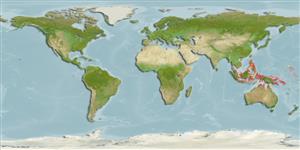
Asia: Indonesia and Philippines. Originally reported from the Malabon River, Rizal, Philippines, which has meanwhile been reclaimed. According to Ref. 6216 it has also been collected in the sea at Culion Island, off Palawan, Philippines. Recently collected in Bali (1991), Sulawesi (1988), and Singapore (1992), M. Kottelat, pers. comm.
Length at first maturity / ຂະໜາດ / ນ້ຳໜັກ / Age
ການຈະເລີນເຕັມໄວ: Lm 1.0, range 1 - 1.1 cm
Max length : 1.1 cm SL ຕົວຜູ້/ບໍ່ມີເພດ; (Ref. 2060); 1.5 cm TL (female)
ຄີ (ໜາມ)ແຂງຢູ່ຫຼັງປາ (ທັງໝົດ) : 7; ຄີຫຼັງຂອງປາ (ຄີອ່ອນ) (ທັງໝົດ) : 6 - 7; ຄີ(ໜາມ) ແຂງຢູ່ຄີກົ້ນປາ
ກຸ່ມປາກະດູກແຂງ
ຄວາມຖີ່ຂອງກຸ່ມຖ່າຍທອດພັນ
ປາທີ່ມີການເຄື່ອນຍ້າຍຈາກທະເລໄປຫານ້ຳຈືດ ແລະນ້ຳຈືດຫາທະເລ
ປາທີ່ມີການເຄື່ອນຍ້າຍຈາກທະເລແລະໄປໄຂ່ຢູ່ນ້ຳຈືດ
ຄີກົ້ນຂອງປາ
ສັດທີ່ມີກະດູກສັນຫັຼງ
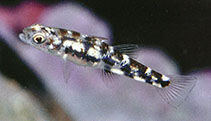
ການຖ່າຍທອດທາງກຳມະພັນຈາກພໍ່ແມ່ຫາລູກ: 1; ຄີກົ້ນຂອງປາ: 6 - 7. Dark spots on sides of body somewhat forming 4 cross-bands; heavy pigmentations on all bases of fins, except ventrals, apparently are continuation of body pigmentation. Head and nape naked. 22 to 25 scales in longitudinal series (Ref. 4924); further characterized by presence of black spot at middle of caudal fin base; first dorsal fin yellowish with black anterior; rounded caudal fin (Ref. 90102).
Body shape (shape guide): fusiform / normal; Cross section: oval.
This is one of the smallest freshwater fishes: males are mature at 9 mm, females at 15 mm. The species used to frequent shady river banks in the Malabon River, Rizal Province, Luzon, Philippines; however, the type locality has been reclaimed and the remaining waters in the area are heavily polluted; the species is considered extinct in the Philippines (Rainer Froese, pers. comm., 2004). It has been apparently imported into Germany in 1958; a color photo of the fish was taken in an aquarium (Ref. 2060). Found in brackish waters and mangrove areas of Indonesia (M. Kottelat, pers. comm.).
Life cycle and mating behavior
ການຈະເລີນເຕັມໄວ | ການສືບພັນ | ການວາງໄຂ່ | ໄຂ່ | ຄວາມດົກຂອງໄຂ່ປາ | ຕົວອ່ອນ
Probably a non-guarder (RF).
Larson, H.K., 2001. A revision of the gobiid fish genus Mugilogobius (Teleostei: Gobioidei), and its systematic placement. Rec. West. Aust. Mus. (Suppl. No. 62):1-233. (Ref. 43716)
IUCN Red List Status (Ref. 130435: Version 2025-1)
Threat to humans
Harmless
Human uses
ການປະມົງ: ທີ່ບໍ່ມີຄວາມສົນໃຈ
ເຄື່ອງມື
Special reports
Download XML
ແຫຼ່ງອີນເຕີເນັດ
Estimates based on models
Preferred temperature (ເອກະສານອ້າງອີງ
123201): 27.6 - 29.2, mean 28.8 °C (based on 873 cells).
Phylogenetic diversity index (ເອກະສານອ້າງອີງ
82804): PD
50 = 0.5078 [Uniqueness, from 0.5 = low to 2.0 = high].
Bayesian length-weight: a=0.00977 (0.00444 - 0.02153), b=3.04 (2.85 - 3.23), in cm total length, based on LWR estimates for this (Sub)family-body shape (Ref.
93245).
ຊັ້ນເຂດຮ້ອນ (ເອກະສານອ້າງອີງ
69278): 2.9 ±0.4 se; based on size and trophs of closest relatives
ຄວາມຢືດຢຸ່ນ (ເອກະສານອ້າງອີງ
120179): ສູງ, ປະຊາກອນຕຳ່ສຸດທີ່ໃຊ້ເວລາສອງໜ້ອຍກວ່າ 15 ເດືອນ (Preliminary K or Fecundity.).
Fishing Vulnerability (Ref.
59153): Low vulnerability (10 of 100).
🛈