


Australoheros acaroides (Hensel, 1870)
ອັບໂຫລດຂອງທ່ານ ຮູບພາບ ແລະ ວິດີໂອ
Google image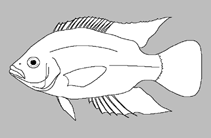 No image available for this species;
drawing shows typical species in Cichlidae.
Google image
drawing shows typical species in Cichlidae.
ການຈັດປະເພດ / ຊື່ ຊື່ສາມັນ | ຄຳສັບຄ້າຍຄືກັນ | Catalog of Fishes(ຕະກຸນ, ຊະນິດ) | ITIS | CoL | WoRMS | Cloffa
> Cichliformes (Cichlids, convict blennies) > Cichlidae (Cichlids) > Cichlinae
Etymology: Australoheros: From the Latin word 'australis' meaning southern, and the name Heros, after the nominotypic genus of the Heroini tribe. Tribe; acaroides: Name was not explained by Hensel, probably from 'Acara', an Amerindian word used for South American cichlids (historically it was linked as a genus group taxon with Cichlasoma- and Aequidens like species) and '-ioides' from the Greek suffix '-eides', meaning like or similar, in reference to the appearance similar to the species of the genus Acara Heckel, 1840.
Etymology: Australoheros: From the Latin word 'australis' meaning southern, and the name Heros, after the nominotypic genus of the Heroini tribe. Tribe; acaroides: Name was not explained by Hensel, probably from 'Acara', an Amerindian word used for South American cichlids (historically it was linked as a genus group taxon with Cichlasoma- and Aequidens like species) and '-ioides' from the Greek suffix '-eides', meaning like or similar, in reference to the appearance similar to the species of the genus Acara Heckel, 1840.
ສະພາບແວດລ້ອມ: ສະພາບແວດລ້ອມ / ເຂດດິນຟ້າອາກາດ / ລະດັບຄວາມເລິກ / ຂອບເຂດການແຈກຢາຍ ນິເວດວິທະຍາ
; ນ້ຳຈືດ; ນ້ຳກ່ອຍ ກ່ຽວກັບ (ຢູ່)ເທິງຊັ້ນພື້ນດິນໃນທະເລເປີດ. Subtropical
ການແຜ່ກະຈາຍ ອານາເຂດ | ເຂດ FAO | ລະບົບນິເວດ | ການປະກົດຕົວ | ຈຸດໃດໜຶ່ງທີ່ສະແດງອອກໃນແຜນທີ່ (ພ້ອມທັງສະແດງຂໍ້ມູນເພີ້ນເຕີມ) | ການແນະນຳ | Faunafri
South America: lower and middle parts of the rio Jacuí drainage, lago Guaíba and its tributaries and Patos-Mirim Lagoon systen in the coastal plain, Brazil.
ຂະໜາດ / ນ້ຳໜັກ / ອາຍຸ
ຄຳອະທິບາຍສັ້ນໆ ຕົວທີ່ໃຊ້ໃນການຈຳແນກຊະນິດ | ສະລີລະວິທະຍາ | ການວັດແທກຮູບຮ່າງລັກສະນະພາຍນອກຂອງດິນ,ສັດ,ປາ…
ຄີ (ໜາມ)ແຂງຢູ່ຫຼັງປາ (ທັງໝົດ) : 16 - 17; ຄີຫຼັງຂອງປາ (ຄີອ່ອນ) (ທັງໝົດ) : 8 - 10; ຄີ(ໜາມ) ແຂງຢູ່ຄີກົ້ນປາ
ກຸ່ມປາກະດູກແຂງ
ຄວາມຖີ່ຂອງກຸ່ມຖ່າຍທອດພັນ
ປາທີ່ມີການເຄື່ອນຍ້າຍຈາກທະເລໄປຫານ້ຳຈືດ ແລະນ້ຳຈືດຫາທະເລ
ປາທີ່ມີການເຄື່ອນຍ້າຍຈາກທະເລແລະໄປໄຂ່ຢູ່ນ້ຳຈືດ
ຄີກົ້ນຂອງປາ
ສັດທີ່ມີກະດູກສັນຫັຼງ
ການຖ່າຍທອດທາງກຳມະພັນຈາກພໍ່ແມ່ຫາລູກ: 6 - 8; ຄີກົ້ນຂອງປາ: 7 - 9. Distinguished from all members of the Australoheros forquilha, Australoheros scitulus and Australoheros kaaygua groups by the presence of well developed caudal-fin base spot ( vs. spot absent or weakly developed as a pigment narrow bar); from Australoheros minuano and all the species of the Australoheros facetus group by having a well developed longitudinal stripe (vs. weakly developed) and three abdominal bars vs. four (except in Australoheros guarani; from all the species of Australoheros kaaygua group by the possession of more pectoral rays 14 (vs. 12-13); from Australoheros facetus by its isognathous jaw (vs. prognathous); and from Australoheros facetus and Australoheros guarani by having modally 5 cheek scale rows (vs. three in Australoheros facetus and four in Australoheros guarani) (Ref. 85206).
Body shape (shape guide): short and / or deep.
Body shape (shape guide): short and / or deep.
It occurs in streams with moderate current and with sandy and clayey substratum. During dry season, this species is found in deeper parts of the streams, usually shaded by vegetation. It also inhabits marginal lagoons and flooded regions of great rivers. Can tolerate moderately salt water in some lagoons and estuaries. Diurnal, feeding preferentially on diptera larvae, macrophytes, cladocera, hirudinea and some aquatic ascaris (Ref. 85206).
ວົງຈອນຊີວິດ ແລະພຶດຕິກໍາການຫາຄູ່ ການຈະເລີນເຕັມໄວ | ການສືບພັນ | ການວາງໄຂ່ | ໄຂ່ | ຄວາມດົກຂອງໄຂ່ປາ | ຕົວອ່ອນ
ເອກະສານອ້າງອີງຫຼັກ
ອັບໂຫລດເອກະສານອ້າງອີງຂອງທ່ານ | ເອກະສານອ້າງອີງ | ຜູ້ປະສານງານ : Kullander, Sven O. | ຜູ້ຮ່ວມມື
Schindler, I., F.P. Ottoni and M.M. Cheffe, 2010. Heros acaroides Hensel, 1870 - a valid species of Australoheros (Teleostei: Perciformes: Cichlidae) from the Patos-Mirim lagoon system, south Brazil. Verteb. Zool. 60(2):139-146. (Ref. 85206)
ສະຖານະພາບບັນຊີແດງຂອງ IUCN (Ref. 130435: Version 2025-2 (Global))
Least Concern (LC) ; Date assessed: 07 November 2018
CITES
Not Evaluated
ໄພຂົ່ມຂູ່ຕໍ່ມະນຸດ
Harmless
ການນໍາໃຊ້ຂອງມະນຸດ
FAO - Publication: search | FishSource |
ຂໍ້ມູນຕື່ມອີກ
ນິເວດວິທະຍາເຂດຮ້ອນ
ລາຍການອາຫານ (ຜູ້ຖືກລ້າ)
ອົງປະກອບຂອງອາຫານ
ການບໍລິໂພກອາຫານ
ຄາບອາຫານ
ຜູ້ລ້າ
ລາຍການອາຫານ (ຜູ້ຖືກລ້າ)
ອົງປະກອບຂອງອາຫານ
ການບໍລິໂພກອາຫານ
ຄາບອາຫານ
ຜູ້ລ້າ
ນິເວດວິທະຍາ
ນິເວດວິທະຍາ
ນິເວດວິທະຍາ
ນະໂຍບາຍດ້ານປະຊາກອນ
ຕົວວັດແທກການເຕີບໃຫຍ່
ສູງສຸດ. ອາຍຸ / ຂະຫນາດ
ຄວາມຍາວ-ນ້ໍາຫນັກ rel.
ຄວາມຍາວ - ຄວາມຍາວ rel.
ຄວາມຖີ່ຄວາມຍາວ
ການແປງມະຫາຊົນ
ການທົດແທນທີ່
ຄວາມອຸດົມສົມບູນ
ຕົວວັດແທກການເຕີບໃຫຍ່
ສູງສຸດ. ອາຍຸ / ຂະຫນາດ
ຄວາມຍາວ-ນ້ໍາຫນັກ rel.
ຄວາມຍາວ - ຄວາມຍາວ rel.
ຄວາມຖີ່ຄວາມຍາວ
ການແປງມະຫາຊົນ
ການທົດແທນທີ່
ຄວາມອຸດົມສົມບູນ
ວົງຈອນຊີວິດ
ການສືບພັນ
ການຈະເລີນເຕັມໄວ
ການເຕີບໃຫຍ່ / Gills rel.
ຄວາມດົກຂອງໄຂ່ປາ
ການວາງໄຂ່
ການລວບລວມການວາງໄຂ່
ໄຂ່
ການພັດທະນາໄຂ່
ຕົວອ່ອນ
ການປ່ຽນແປງຂອງຕົວອ່ອນ
ການສືບພັນ
ການຈະເລີນເຕັມໄວ
ການເຕີບໃຫຍ່ / Gills rel.
ຄວາມດົກຂອງໄຂ່ປາ
ການວາງໄຂ່
ການລວບລວມການວາງໄຂ່
ໄຂ່
ການພັດທະນາໄຂ່
ຕົວອ່ອນ
ການປ່ຽນແປງຂອງຕົວອ່ອນ
ຮ່າງກາຍ
ເນື້ອທີ່ເຫືອກ
ສະໝອງ
ໂອໂຕລິດ
ເນື້ອທີ່ເຫືອກ
ສະໝອງ
ໂອໂຕລິດ
ຟີຊິກສາດ
ອົງປະກອບຂອງຮ່າງກາຍ
ທາດອາຫານ
ການບໍລິໂພກອົກຊີເຈນ
ປະເພດລອຍ
ຄວາມໄວໃນການລອຍ
ເມັດສີທີ່ເບິ່ງເຫັນ
ສຽງປາ
ພະຍາດ & ກາຝາກ
ຄວາມເປັນພິດ (LC50s)
ອົງປະກອບຂອງຮ່າງກາຍ
ທາດອາຫານ
ການບໍລິໂພກອົກຊີເຈນ
ປະເພດລອຍ
ຄວາມໄວໃນການລອຍ
ເມັດສີທີ່ເບິ່ງເຫັນ
ສຽງປາ
ພະຍາດ & ກາຝາກ
ຄວາມເປັນພິດ (LC50s)
ກຳມະພັນ
ພັນທຸ ກຳ
ກຳມະພັນ
Heterozygosity
ການຖ່າຍທອດທາງກຳມະພັນຈາກພໍ່ແມ່ຫາລູກ
ຄວາມຫຼາກຫຼາຍທາງພັນທຸກໍາ
ພັນທຸ ກຳ
ກຳມະພັນ
Heterozygosity
ການຖ່າຍທອດທາງກຳມະພັນຈາກພໍ່ແມ່ຫາລູກ
ຄວາມຫຼາກຫຼາຍທາງພັນທຸກໍາ
ມະນຸດທີ່ກ່ຽວຂ້ອງ
ລະບົບການລ້ຽງປາ
ຂໍ້ມູນການລ້ຽງສັດນ້ຳ
ສາຍພັນ
ກໍລະນີ Ciguatera
ສະແຕມ, ຫຼຽນ, ອື່ນໆ.
ລະບົບການລ້ຽງປາ
ຂໍ້ມູນການລ້ຽງສັດນ້ຳ
ສາຍພັນ
ກໍລະນີ Ciguatera
ສະແຕມ, ຫຼຽນ, ອື່ນໆ.
ເຄື່ອງມື
E-book | ຄູ່ມືພາກສະໜາມ | ຄວາມຖີ່ຂອງຄວາມຍາວປາ | ເຄື່ອງມືຂອງຊີວະປະຫວັດທາງດ້ານຊີວິດ | ຈຸດໃດໜຶ່ງທີ່ສະແດງອອກໃນແຜນທີ່ (ພ້ອມທັງສະແດງຂໍ້ມູນເພີ້ນເຕີມ) |
ຈັບ-MSY |
ບົດລາຍງານພິເສດ
ກວດສອບການບໍາລຸງຮັກສາຕູ້ປາ | ກວດເບິ່ງເອກະສານຄວາມຈິງຂອງຊະນິດ | ກວດເບິ່ງເອກະສານຄວາມເປັນຈິງການລ້ຽງສັດນ້ຳ
ດາວໂຫລດ XML
ແຫຼ່ງອີນເຕີເນັດ
AFORO (otoliths) | Aquatic Commons | BHL | Cloffa | Websites from users | Check FishWatcher | CISTI | Catalog of Fishes: ຕະກຸນ, ຊະນິດ | DiscoverLife | ECOTOX | FAO - Publication: search | Faunafri | Fishipedia | Fishtrace | GloBI | Google Books | Google Scholar | Google | IGFA World Record | OneZoom | Open Tree of Life | Otolith Atlas of Taiwan Fishes | PubMed | Reef Life Survey | Socotra Atlas | TreeBase | ແຜນທີ່ສະແດງກິ່ງງ່າຂອງເຊື້ອຕະກຸນປາ, ສັດ ຈາກບັນພະບູລຸດຈົນເຖິງຫລານ | Wikipedia: Go, ຊອກຫາ | World Records Freshwater Fishing | ການບັນທຶກດ້ານສັດວິທະຍາ
ການຄາດຄະເນໂດຍອີງໃສ່ແບບຈໍາລອງ
ດັດຊະນີຄວາມຫຼາກຫຼາຍທາງຊີວະພາບ (ເອກະສານອ້າງອີງ 82804): PD50 = 0.5000 [Uniqueness, from 0.5 = low to 2.0 = high].
Bayesian length-weight: a=0.03020 (0.01328 - 0.06866), b=3.03 (2.84 - 3.22), in cm total length, based on LWR estimates for this (Sub)family-body shape (Ref. 93245).
ຊັ້ນເຂດຮ້ອນ (ເອກະສານອ້າງອີງ 69278): 3.2 ±0.5 se; based on size and trophs of closest relatives
ຄວາມຢືດຢຸ່ນ (ເອກະສານອ້າງອີງ 120179): ສູງ, ປະຊາກອນຕຳ່ສຸດທີ່ໃຊ້ເວລາສອງໜ້ອຍກວ່າ 15 ເດືອນ (Preliminary K or Fecundity.).