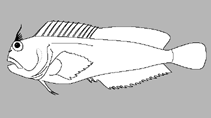
Classification / Names
ຊື່ສາມັນ | ຄຳສັບຄ້າຍຄືກັນ | Catalog of Fishes(ຕະກຸນ, ຊະນິດ) | ITIS | CoL | WoRMS | Cloffa
>
Blenniiformes (Blennies) >
Blenniidae (Combtooth blennies) > Salariinae
Etymology: Medusablennius: Taken from Medusa, one of the three Gorgons, whose head with snakes turned him looked upon it into a stone + Greek, blennios = mucus (Ref. 45335); chani: Named for William L. Chan, the person who first noticed the distinctness of the species.
Eponymy: In Greek mythology, Medusa was a Gorgon whose hair was made up of living snakes. The name is used fancifully for taxa with numerous filaments or barbels. William L Chan was the first to notice the distinctness of this species (in a note in the jar containing the type specimens collected in 1955) which Springer examined (1963) at Stanford University’s George Vanderbilt Foundation collection. [...] (Ref. 128868), visit book page.
Environment: milieu / climate zone / ລະດັບຄວາມເລິກ / distribution range
ນິເວດວິທະຍາ
ສັດທະເລ pelagic-neritic. Tropical
Eastern Central Pacific: Tuamotu Archipelago.
ຂະໜາດ / ນ້ຳໜັກ / Age
ການຈະເລີນເຕັມໄວ: Lm ? range ? - ? cm
Max length : 1.5 cm SL ຕົວຜູ້/ບໍ່ມີເພດ; (Ref. 86957)
Short description
ຕົວທີ່ໃຊ້ໃນການຈຳແນກຊະນິດ | ສະລີລະວິທະຍາ | ການວັດແທກຮູບຮ່າງລັກສະນະພາຍນອກຂອງດິນ,ສັດ,ປາ…
ຄີ (ໜາມ)ແຂງຢູ່ຫຼັງປາ (ທັງໝົດ) : 11 - 12; ຄີຫຼັງຂອງປາ (ຄີອ່ອນ) (ທັງໝົດ) : 17 - 18; ຄີ(ໜາມ) ແຂງຢູ່ຄີກົ້ນປາ
ກຸ່ມປາກະດູກແຂງ
ຄວາມຖີ່ຂອງກຸ່ມຖ່າຍທອດພັນ
ປາທີ່ມີການເຄື່ອນຍ້າຍຈາກທະເລໄປຫານ້ຳຈືດ ແລະນ້ຳຈືດຫາທະເລ
ປາທີ່ມີການເຄື່ອນຍ້າຍຈາກທະເລແລະໄປໄຂ່ຢູ່ນ້ຳຈືດ
ຄີກົ້ນຂອງປາ
ສັດທີ່ມີກະດູກສັນຫັຼງ
ການຖ່າຍທອດທາງກຳມະພັນຈາກພໍ່ແມ່ຫາລູກ: 2; ຄີກົ້ນຂອງປາ: 19. This species is distinguished by the following characters: no scales; 2 bones in the circumorbital ring, cirri on head numerous and complex; dorsal fin with more rays than spines; interopercle not extending posteriorly beyond its connection with the epihyal; ascending wing of the parasphenoid reaching the frontal; free dorsal margin to the upper lip; teeth restricted to a single series in each jaw, absent in vomer and palatines (Ref. 86957).
Body shape (shape guide): elongated; Cross section: oval.
Oviparous. Eggs are demersal and adhesive (Ref. 205), and are attached to the substrate via a filamentous, adhesive pad or pedestal (Ref. 94114). Larvae are planktonic, often found in shallow, coastal waters (Ref. 94114).
Life cycle and mating behavior
ການຈະເລີນເຕັມໄວ | ການສືບພັນ | ການວາງໄຂ່ | ໄຂ່ | ຄວາມດົກຂອງໄຂ່ປາ | ຕົວອ່ອນ
Springer, V.G., 1966. Medusablennius chani, a new genus and species of blennioid fish from the Tuamotu Archipelago: its implication on blennioid classification. Copeia 1966(1):56-60. (Ref. 86957)
IUCN Red List Status (Ref. 130435: Version 2025-1)
Threat to humans
Harmless
Human uses
ເຄື່ອງມື
Special reports
Download XML
ແຫຼ່ງອີນເຕີເນັດ
Estimates based on models
Phylogenetic diversity index (ເອກະສານອ້າງອີງ
82804): PD
50 = 1.0000 [Uniqueness, from 0.5 = low to 2.0 = high].
Bayesian length-weight: a=0.00776 (0.00356 - 0.01695), b=3.00 (2.81 - 3.19), in cm total length, based on LWR estimates for this (Sub)family-body shape (Ref.
93245).
ຄວາມຢືດຢຸ່ນ (ເອກະສານອ້າງອີງ
120179): ສູງ, ປະຊາກອນຕຳ່ສຸດທີ່ໃຊ້ເວລາສອງໜ້ອຍກວ່າ 15 ເດືອນ (Preliminary K or Fecundity.).
Fishing Vulnerability (Ref.
59153): Low vulnerability (10 of 100).
🛈