This website uses cookies to enhance your browsing experience and ensure the functionality of our site. For more detailed information about the types of cookies we use and how we protect your privacy, please visit our Privacy Information page.
×
Cookie Settings
This website uses different types of cookies to enhance your experience. Please select your preferences below:
> Gobiiformes (Gobies) > Gobiidae (Gobies) > Gobiinae
Etymology: Tomiyamichthys:occurring on sand-rubble bottoms in the vicinity of coral reefs; zonatus:Name from Latin 'zonatus' for belted or girdled; referring to the diagnostic brown bars on the ventral body of males.
ຄີ (ໜາມ)ແຂງຢູ່ຫຼັງປາ (ທັງໝົດ) : 7; ຄີຫຼັງຂອງປາ (ຄີອ່ອນ) (ທັງໝົດ) : 11; ຄີ(ໜາມ) ແຂງຢູ່ຄີກົ້ນປາ
ກຸ່ມປາກະດູກແຂງ
ຄວາມຖີ່ຂອງກຸ່ມຖ່າຍທອດພັນ
ປາທີ່ມີການເຄື່ອນຍ້າຍຈາກທະເລໄປຫານ້ຳຈືດ ແລະນ້ຳຈືດຫາທະເລ
ປາທີ່ມີການເຄື່ອນຍ້າຍຈາກທະເລແລະໄປໄຂ່ຢູ່ນ້ຳຈືດ
ຄີກົ້ນຂອງປາ
ສັດທີ່ມີກະດູກສັນຫັຼງ
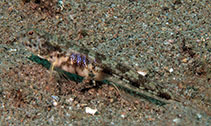
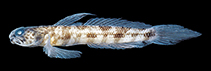
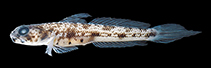
ການຖ່າຍທອດທາງກຳມະພັນຈາກພໍ່ແມ່ຫາລູກ: 1; ຄີກົ້ນຂອງປາ: 11. This species is distinguished by the following characters: D VI-I,11; A I,11; pectoral-fin rays 17; scales in longitudinal series 52-54; no scales on head, pectoral-fin base, and prepelvic region; body with cycloid scales anteriorly, becoming ctenoid posteriorly; no preopercular sensory canal and pores; gill opening extending forward to a vertical at posterior edge of preopercle; the first four dorsal-fin spines with short, filamentous tips; lanceolate caudal fin, longer than head, 2.3-2.7 in SL; distinct sexual dichromatism, male characterized by 5 brown saddles on back, 7 orange-brown bars on ventral half of body from level of dorsal-fin origin to base of last anal ray, prominent black bar present across outer two thirds of last two anal-fin rays, pale yellow pelvic fins with bright yellow spots; male and female with mid-lateral row of alternating large and small rectangular blotches within pair of thin stripes from the pectoral fin to caudal-fin base; females generally with darker brown markings on body and more ornate fins, consisting of variable dark stripes or blotches on dorsal, anal, and pelvic fins (Ref. 116711). Body shape (shape guide): elongated; Cross section: compressed.
This species occurs in moderately sloped areas (about 20 degrees) with mixed substratum (mud, sand, and gravel). Of the five individuals observed, three are solitary and a mixed sex pair (male holotype and female paratype) shared the same burrow. It is associated with an unidentified alpheid shrimp (Ref. 116711).
Allen, G.R., 2015. Descriptions of two new gobies species of shrimpgobies (Gobiidae: Cryptocentrus and Tomiyamichthys) from Papua New Guinea. J. Ocean Sci. Found. 16:67-81. (Ref. 116711)
ສະຖານະພາບບັນຊີແດງຂອງ IUCN (Ref. 130435: Version 2025-2 (Global))
ດັດຊະນີຄວາມຫຼາກຫຼາຍທາງຊີວະພາບ (ເອກະສານອ້າງອີງ 82804): PD50 = 0.5000 [Uniqueness, from 0.5 = low to 2.0 = high].
Bayesian length-weight: a=0.00741 (0.00347 - 0.01582), b=3.09 (2.91 - 3.27), in cm total length, based on LWR estimates for this (Sub)family-body shape (Ref. 93245).
ຊັ້ນເຂດຮ້ອນ (ເອກະສານອ້າງອີງ 69278): 3.1 ±0.3 se; based on size and trophs of closest relatives
ຄວາມຢືດຢຸ່ນ (ເອກະສານອ້າງອີງ 120179): ສູງ, ປະຊາກອນຕຳ່ສຸດທີ່ໃຊ້ເວລາສອງໜ້ອຍກວ່າ 15 ເດືອນ (Preliminary K or Fecundity.).
ຄວາມສ່ຽງຕໍ່ການຫາປາ (Ref. 59153): Low vulnerability (10 of 100). 🛈