ການຈັດປະເພດ / ຊື່
ຊື່ສາມັນ | ຄຳສັບຄ້າຍຄືກັນ | Catalog of Fishes(ຕະກຸນ, ຊະນິດ) | ITIS | CoL | WoRMS | Cloffa
>
Cichliformes (Cichlids, convict blennies) >
Cichlidae (Cichlids) > Pseudocrenilabrinae
Etymology: Haplochromis: Greek, Haploos = single + Greek, chromis = a fish, perhaps a perch (Ref. 45335); erutus: Specific name noun in apposition from Latin erutus, torn out, and refers to its oral-shelling ecology, in which soft bodies of snails are wrenched or torn out of their shells (Ref. 126074).
ສະພາບແວດລ້ອມ: ສະພາບແວດລ້ອມ / ເຂດດິນຟ້າອາກາດ / ລະດັບຄວາມເລິກ / ຂອບເຂດການແຈກຢາຍ
ນິເວດວິທະຍາ
; ນ້ຳຈືດ ກ່ຽວກັບ (ຢູ່) ໄກ້ໜ້ານ້ຳໃນທະເລເປີດ. Tropical
Africa: endemic to Lake Edward (Ref. 126074).
ຂະໜາດ / ນ້ຳໜັກ / ອາຍຸ
ການຈະເລີນເຕັມໄວ: Lm ? range ? - ? cm
Max length : 8.3 cm SL ຕົວຜູ້/ບໍ່ມີເພດ; (Ref. 126074)
ຄຳອະທິບາຍສັ້ນໆ
ຕົວທີ່ໃຊ້ໃນການຈຳແນກຊະນິດ | ສະລີລະວິທະຍາ | ການວັດແທກຮູບຮ່າງລັກສະນະພາຍນອກຂອງດິນ,ສັດ,ປາ…
ຄີ (ໜາມ)ແຂງຢູ່ຫຼັງປາ (ທັງໝົດ) : 15 - 16; ຄີຫຼັງຂອງປາ (ຄີອ່ອນ) (ທັງໝົດ) : 8 - 10; ຄີ(ໜາມ) ແຂງຢູ່ຄີກົ້ນປາ
ກຸ່ມປາກະດູກແຂງ
ຄວາມຖີ່ຂອງກຸ່ມຖ່າຍທອດພັນ
ປາທີ່ມີການເຄື່ອນຍ້າຍຈາກທະເລໄປຫານ້ຳຈືດ ແລະນ້ຳຈືດຫາທະເລ
ປາທີ່ມີການເຄື່ອນຍ້າຍຈາກທະເລແລະໄປໄຂ່ຢູ່ນ້ຳຈືດ
ຄີກົ້ນຂອງປາ
ສັດທີ່ມີກະດູກສັນຫັຼງ
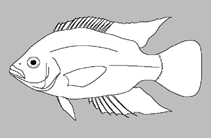
ການຖ່າຍທອດທາງກຳມະພັນຈາກພໍ່ແມ່ຫາລູກ: 3; ຄີກົ້ນຂອງປາ: 7 - 9; ສັດທີ່ມີກະດູກສັນຫຼັງ: 29 - 30. Diagnosis: Haplochromis erutus differs from all other species of Haplochromis, except H. bicolor from Lake Victoria, by a small and rectangular mouth with a short upper jaw that curves downwards halfway its length, in combination with blunt, bicuspid and recurved outer oral teeth and, in lateral part of upper jaw, more stout inner teeth, mostly more distinct in dextral side; it differs from H. bicolor by much larger eyes, 35.4-40.7% of head length vs. 21.4-32.0%, slightly more slender interorbital width, 22.5-26.1% of head length vs. 25.8-34.5%, and slightly shorter snout, 23.2-27.1% of head length vs. 26.5-34.2; it differs further by a shallower supraoccipital crest, dominant males with beige-silver vs. red flanks and piebald colouration seemingly absent in H. erutus, while frequently observed in females of H. bicolor (Ref. 126074). Within Lake Edward system, it shares with H. concilians, H. labiatus, H. eduardianus and H. planus stout jaws and large or more strongly developed lips; it differs from H. labiatus by a shorter snout, 22.4-25.4% of head length vs. 26.5-30.2%, and large vs. lobed lips; from H. eduardianus and H. planus by a shorter upper jaw, 20.9-26.% of head length vs. 27.5-33.8% and 27.6-32.1% respectively; and from H. concilians by large vs. strongly thickened lips, a longer premaxillary pedicel, 21.4-24.0% of head length vs. 16.1-21.6%, and beige-silver vs. silver-blue dominant males (Ref. 126074).
Diet mainly mollucivorous (Ref. 126074).
ວົງຈອນຊີວິດ ແລະພຶດຕິກໍາການຫາຄູ່
ການຈະເລີນເຕັມໄວ | ການສືບພັນ | ການວາງໄຂ່ | ໄຂ່ | ຄວາມດົກຂອງໄຂ່ປາ | ຕົວອ່ອນ
Vranken, N., M. Van Steenberge and J. Snoeks, 2020. Similar ecology, different morphology: three new species of oral-mollusc shellers from Lake Edward. J. Fish Biol. 96(5):1202-1217. (Ref. 126074)
ສະຖານະພາບບັນຊີແດງຂອງ IUCN (Ref. 130435: Version 2025-2)
ໄພຂົ່ມຂູ່ຕໍ່ມະນຸດ
Harmless
ການນໍາໃຊ້ຂອງມະນຸດ
ເຄື່ອງມື
ບົດລາຍງານພິເສດ
ດາວໂຫລດ XML
ແຫຼ່ງອີນເຕີເນັດ
ການຄາດຄະເນໂດຍອີງໃສ່ແບບຈໍາລອງ
ດັດຊະນີຄວາມຫຼາກຫຼາຍທາງຊີວະພາບ (ເອກະສານອ້າງອີງ
82804): PD
50 = 0.5000 [Uniqueness, from 0.5 = low to 2.0 = high].
Bayesian length-weight: a=0.01445 (0.00674 - 0.03099), b=2.99 (2.82 - 3.16), in cm total length, based on LWR estimates for this (Sub)family-body shape (Ref.
93245).
ຊັ້ນເຂດຮ້ອນ (ເອກະສານອ້າງອີງ
69278): 3.3 ±0.4 se; based on size and trophs of closest relatives
ຄວາມຢືດຢຸ່ນ (ເອກະສານອ້າງອີງ
120179): ສູງ, ປະຊາກອນຕຳ່ສຸດທີ່ໃຊ້ເວລາສອງໜ້ອຍກວ່າ 15 ເດືອນ (Preliminary K or Fecundity.).
ຄວາມສ່ຽງຕໍ່ການຫາປາ (Ref.
59153): Low vulnerability (10 of 100).
🛈