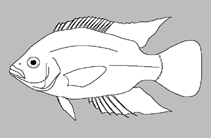
Classification / Names
ຊື່ສາມັນ | ຄຳສັບຄ້າຍຄືກັນ | Catalog of Fishes(ຕະກຸນ, ຊະນິດ) | ITIS | CoL | WoRMS | Cloffa
>
Cichliformes (Cichlids, convict blennies) >
Cichlidae (Cichlids) > Pseudocrenilabrinae
Etymology: Haplochromis: Greek, Haploos = single + Greek, chromis = a fish, perhaps a perch (Ref. 45335); aquila: Specific name from the Latin 'aquila' for 'eagle'; referring to predatory morphology and large eyes (Ref. 126312).
Environment: milieu / climate zone / ລະດັບຄວາມເລິກ / distribution range
ນິເວດວິທະຍາ
; ນ້ຳຈືດ ກ່ຽວກັບ (ຢູ່) ໄກ້ໜ້ານ້ຳໃນທະເລເປີດ. Tropical
Africa: Lake Edward (Ref. 126312).
ຂະໜາດ / ນ້ຳໜັກ / Age
ການຈະເລີນເຕັມໄວ: Lm ? range ? - ? cm
Max length : 12.3 cm SL ຕົວຜູ້/ບໍ່ມີເພດ; (Ref. 126312)
Short description
ຕົວທີ່ໃຊ້ໃນການຈຳແນກຊະນິດ | ສະລີລະວິທະຍາ | ການວັດແທກຮູບຮ່າງລັກສະນະພາຍນອກຂອງດິນ,ສັດ,ປາ…
ຄີ (ໜາມ)ແຂງຢູ່ຫຼັງປາ (ທັງໝົດ) : 14 - 16; ຄີຫຼັງຂອງປາ (ຄີອ່ອນ) (ທັງໝົດ) : 9 - 10; ຄີ(ໜາມ) ແຂງຢູ່ຄີກົ້ນປາ
ກຸ່ມປາກະດູກແຂງ
ຄວາມຖີ່ຂອງກຸ່ມຖ່າຍທອດພັນ
ປາທີ່ມີການເຄື່ອນຍ້າຍຈາກທະເລໄປຫານ້ຳຈືດ ແລະນ້ຳຈືດຫາທະເລ
ປາທີ່ມີການເຄື່ອນຍ້າຍຈາກທະເລແລະໄປໄຂ່ຢູ່ນ້ຳຈືດ
ຄີກົ້ນຂອງປາ
ສັດທີ່ມີກະດູກສັນຫັຼງ
ການຖ່າຍທອດທາງກຳມະພັນຈາກພໍ່ແມ່ຫາລູກ: 3; ຄີກົ້ນຂອງປາ: 8 - 9; ສັດທີ່ມີກະດູກສັນຫຼັງ: 30. Diagnosis: Species with a piscivorous morphology; eye large, eye diameter 30.0-31.5% of head length; outer oral teeth few and large, 25-37; dominant males light grey with a black head and a bright red anal fin (Ref. 126312). Amongst piscivorous species from the Lake Edward system, H. aquila differs from H. latifrons, H. mentatus, H. rex, H. simba, and H. glaucus by a larger eye, eye diameter 30.0-31.5% of head length vs. 22.2-29.9%; it further differs from H. latifrons and H. mentatus by a shorter caudal peduncle, caudal peduncle length 14.6-15.4% of standard length vs. 15.7-18.0%; further from H. latifrons by the absence vs. presence of a well-defined mid-lateral band; further from H. mentatus by dominant males uniformly light grey vs. yellow-green with a red anterior part of flank; it further differs from H. rex by a shallower lacrimal, lacrimal depth 17.0-19.1% of head length vs. 18.9-22.5%; and dominant males light grey with black operculum and snout vs. cream-coloured with an orange operculum and a light blue snout; it further differs from H. simba by a larger number of scales between first anal-fin spine and upper lateral line, 12-15, raraely 11, vs. 9-11; an absent vs. strongly developed mental prominence; and dominant males light grey with a black head vs. uniformly yellow with an orange anterior part of flank; it further differs from H. glaucus by a broader head, head width 40.1-43.7% of head length vs. 38.9-40.9%; and dominant males light grey with bright red anal and caudal fins vs. light blue with crimson anal and caudal fins (Ref. 126312). It differs from H. kimondo, H. falcatus, H. curvidens, H. pardus, H. quasimodo and H. squamipinnis by the combination of large vs. small outer oral teeth and smaller number of outer upper jaw teeth, 25-37 vs. 39-79; it further differs from H. kimondo, H. falcatus and H. quasimodo by absence vs. mostly presence of a well-defined mid-lateral band and dominant males light grey with a black head vs. grey dorsally and yellow ventrally, olive-green with an orange-red anterior part of flank, or light grey dorsally and blue-black ventrally; further from H. kimondo by a narrower head, head width 40.1-43.7% of head length vs. 42.9-48.0%; it further differs from H. curvidens and H. pardus by a deeper cheek, cheek depth 26.8-30.8% of head length vs. 20.8-24.9%; further from H. pardus by dominant males light grey vs. speckled to uniformly black; it further differs from H. squamipinnis by larger eyes, eye diameter 30.0-31.5% of head length vs. 23.1-29.7%; and dominant males light grey vs. slate blue (Ref. 126312).
Found in inshore areas over muddy substrates (Ref. 126312). Based on its morphology, most probably a piscivorous species (Ref. 126312).
Life cycle and mating behavior
ການຈະເລີນເຕັມໄວ | ການສືບພັນ | ການວາງໄຂ່ | ໄຂ່ | ຄວາມດົກຂອງໄຂ່ປາ | ຕົວອ່ອນ
Vranken, N., M. Van Steenberge, A. Heylen, E. Decru and J. Snoeks, 2022. From a pair to a dozen: the piscivorous species of Haplochromis (Cichlidae) from the Lake Edward system. Eur. J. Taxon. 815:1-94. (Ref. 126312)
IUCN Red List Status (Ref. 130435: Version 2025-1)
Threat to humans
Harmless
Human uses
ເຄື່ອງມື
Special reports
Download XML
ແຫຼ່ງອີນເຕີເນັດ
Estimates based on models
Phylogenetic diversity index (ເອກະສານອ້າງອີງ
82804): PD
50 = 0.5000 [Uniqueness, from 0.5 = low to 2.0 = high].
Bayesian length-weight: a=0.01445 (0.00674 - 0.03099), b=2.99 (2.82 - 3.16), in cm total length, based on LWR estimates for this (Sub)family-body shape (Ref.
93245).
ຊັ້ນເຂດຮ້ອນ (ເອກະສານອ້າງອີງ
69278): 3.4 ±0.4 se; based on size and trophs of closest relatives
ຄວາມຢືດຢຸ່ນ (ເອກະສານອ້າງອີງ
120179): ສູງ, ປະຊາກອນຕຳ່ສຸດທີ່ໃຊ້ເວລາສອງໜ້ອຍກວ່າ 15 ເດືອນ (Preliminary K or Fecundity.).
Fishing Vulnerability (Ref.
59153): Low vulnerability (10 of 100).
🛈