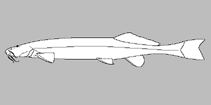
Classification / Names
ຊື່ສາມັນ | ຄຳສັບຄ້າຍຄືກັນ | Catalog of Fishes(ຕະກຸນ, ຊະນິດ) | ITIS | CoL | WoRMS | Cloffa
>
Siluriformes (Catfishes) >
Trichomycteridae (Pencil or parasitic catfishes) > Trichomycterinae
Etymology: Cambeva: Probably derived from the Tupi-Guarani, is a popular name for trichomycterid fishes in southern and south-eastern Brazil (Ref. 119381); barbosae: Named for Maria Anaïs Barbosa, Brazilian ichthyologist (Ref. 123709).
Eponymy: Maria Anais Barbosa Segadas Vianna is a Brazilian zoologist and ichthyologist at the Laboratory of Systematics and Evolution of Fish Teleosteos, Department of Zoology, Federal University of Rio de Janeiro. [...] (Ref. 128868), visit book page.
Environment: milieu / climate zone / ລະດັບຄວາມເລິກ / distribution range
ນິເວດວິທະຍາ
; ນ້ຳຈືດ ອາໄສຢູ່ໃກ້ໜ້າດິນໃຕ້ພື້ນທ້ອງນ້ຳ. Tropical
South America: Brazil.
ຂະໜາດ / ນ້ຳໜັກ / Age
ການຈະເລີນເຕັມໄວ: Lm ? range ? - ? cm
Max length : 7.2 cm SL ຕົວຜູ້/ບໍ່ມີເພດ; (Ref. 123709)
This species prefers fast-flowing low-altitude streams, ca. 15-190 m asl, within coastal river basins, between the Biguaçu to the Cubatão do Sul river basins, as well as in smaller streams on Santa Catarina Island (Ref. 123709).
Life cycle and mating behavior
ການຈະເລີນເຕັມໄວ | ການສືບພັນ | ການວາງໄຂ່ | ໄຂ່ | ຄວາມດົກຂອງໄຂ່ປາ | ຕົວອ່ອນ
Costa, W.J.E.M., C.R.M. Feltrin and A.M. Katz, 2021. Filling distribution gaps: Two new species of catfish genus Cambeva from southern Brazilian Atlantic Forest (Siluriformes, Trichomycteridae). Zoosyst. Evol. 97(1):147-159. (Ref. 123709)
IUCN Red List Status (Ref. 130435: Version 2025-1)
Threat to humans
Harmless
Human uses
ການປະມົງ: ທີ່ບໍ່ມີຄວາມສົນໃຈ
ເຄື່ອງມື
Special reports
Download XML
ແຫຼ່ງອີນເຕີເນັດ
Estimates based on models
Phylogenetic diversity index (ເອກະສານອ້າງອີງ
82804): PD
50 = 0.5001 [Uniqueness, from 0.5 = low to 2.0 = high].
ຊັ້ນເຂດຮ້ອນ (ເອກະສານອ້າງອີງ
69278): 3.2 ±0.4 se; based on size and trophs of closest relatives
Fishing Vulnerability (Ref.
59153): Low vulnerability (10 of 100).
🛈